6 November 20265 min read
What estate agents don't tell you when you buy a house in Spain
An estate agent in Spain represents the seller and answers what you ask. The questions to ask about the street, the neighbours and the plans next door.
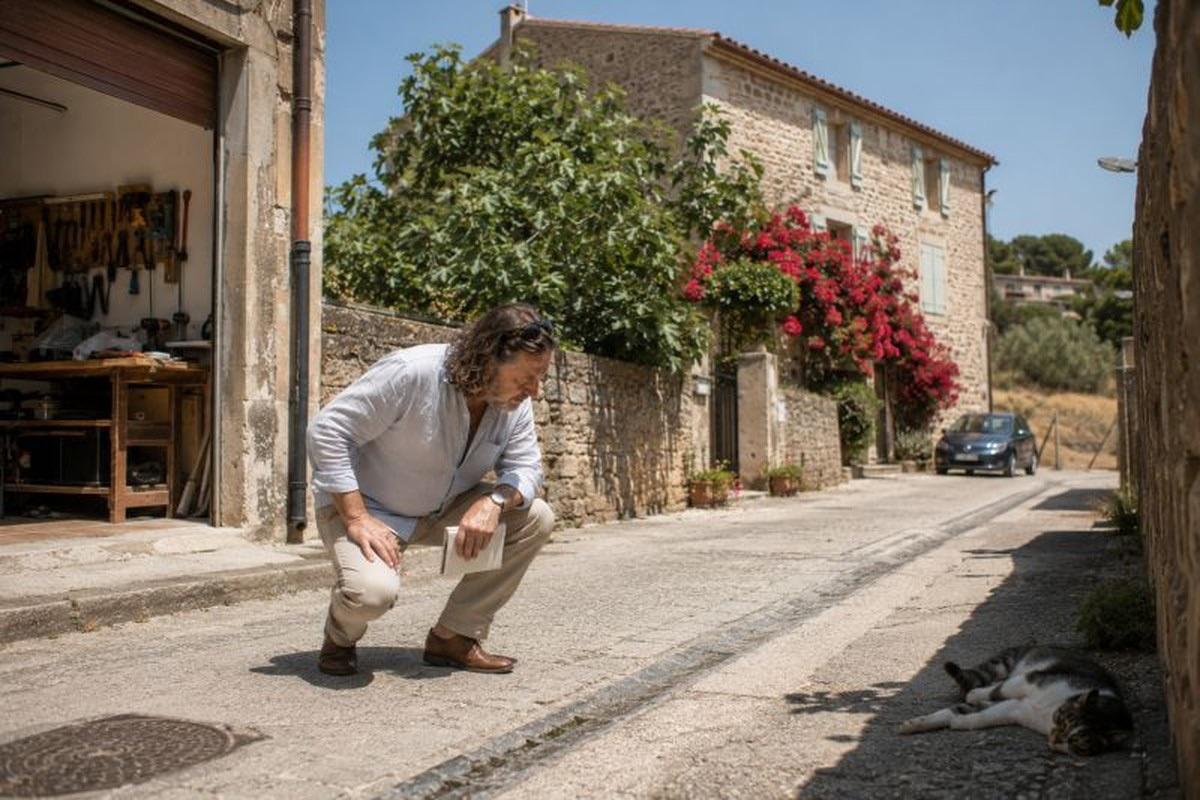
A few years ago, friends of friends bought a house here. Lovely place. Stone walls, good light, a fig tree in the garden doing exactly what fig trees should do. The agent had been charming, the photos were honest and the price was fair. Nothing about the purchase was wrong.
Except that nobody had told them the street floods every time the autumn rains arrive. Nor that the neighbour runs a workshop from his garage, with firm opinions about Sunday mornings. Nor that the lovely empty field behind the house had building permission pending since 2019.
None of this was a secret. All of it was knowable. It just was not the agent's job to tell them and, in fairness to the agent, they never asked.
Who the estate agent works for in Spain
Here is something most buyers from the US or northern Europe do not fully realise. An estate agent here is paid for the transaction, not for the outcome. The commission is a percentage of the sale price, in most cases paid by the seller, though arrangements differ and you should ask who pays what. It arrives when the sale completes. That is not a flaw in anyone's character. It is simply the role.
An agent represents the property and, in practice, the seller. That is the job they are hired to do, and most of them do it well and honestly. A good agent will show you the house at its best, answer your questions and move the paperwork forward. I have no quarrel with that.
The gap that opens up is a quieter one. A good agent answers the questions you ask. But when you are buying in a country you do not fully know, in a language you do not fully speak, in a market with habits you have never seen, the hard part is not getting answers. It is knowing which questions exist in the first place. That is nobody's fault. It is just the position a foreign buyer starts from.
Questions to ask about the street, the neighbours and the plot next door
I would sort the questions into three groups, and put the first two to the agent and to the neighbours, not only to the seller.
The street. Does it flood or hold water in heavy rain? Where does the road drain? The Catalan water agency, the Agència Catalana de l'Aigua, publishes information on flood risk, and it is worth checking a property against it. Ask too about parking rules, bin collection, noise from bars or a road, and anything the town hall has changed recently. A street that was open to cars last year can be restricted this year.
The neighbours. Who lives on each side? Is anybody running a business from a garage or a garden? Are there long-running disputes over boundaries, water or access? A conversation on the pavement with a neighbour is free, and it is often the most honest part of the whole purchase.
The land around. What does the town plan allow on the empty field behind the house, and is there a licence pending? Every municipality has an urban plan, and the town hall's planning department can tell you what is allowed on a given plot. If a building could go up in your view, you would rather know now than in two years' time.
Why the house, the street and the village are one purchase
None of this is exotic. It is the same checklist I would give a friend. But it only makes sense once you accept that you are not buying a building. You are buying the road it stands on and the plot in front of it, the people next door and the decisions of a town hall that does not know you exist.
In my years maintaining houses on this coast, I was usually called once something had already gone wrong. Most of those problems were not hidden in the house. They came from the surroundings: water that ran somewhere it should not, a neighbour's work, a boundary nobody had walked. The surroundings are part of the property, even when they are not on the title.
This is also why I wrote about what a suspiciously low price is really telling you. A discount often sits in the street, not in the kitchen.
The questions I would ask before you sign anything
These are the questions that are rarely volunteered, and I would ask them of everyone:
- What is the actual state of that roof, beyond the fresh paint?
- Why has this house been for sale three times in eight years?
- What does this village feel like on a Tuesday in February?
- Is that price normal, or normal for foreigners?
- What happens to the street, the drains and the neighbours when it rains for three days?
A notary will check that the sale is in order, and the notaries' site explains the process. But a notary does not walk the street with you. That is not their role. It is why I think a buyer who has no connection to the seller, to an agent or to a contractor can be worth having at a viewing. I describe how that works in practice on the page about how I work, and the thinking behind it is in the live article on looking beyond estate agent photos.
The buyers who do well here are rarely the ones who found the best house. They are the ones who asked the best questions, or knew someone who asked them on their behalf.
The fig tree, by the way, is doing fine. The friends made peace with the street. But they will tell you themselves: the house cost what it cost. The lessons were extra.
More from the Journal
27 November 20266 min read
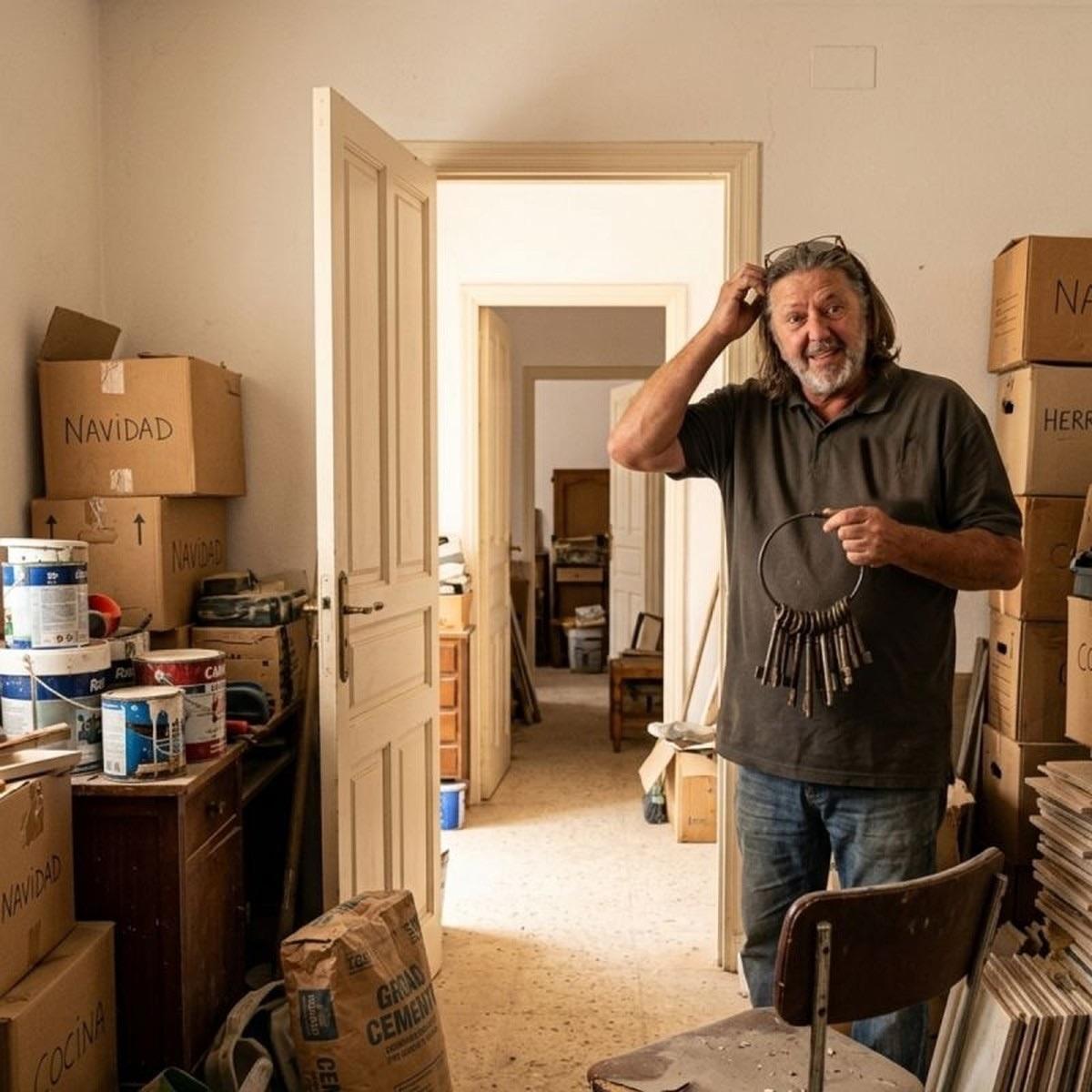
Unregistered extensions in Spain: the room behind the room, and what to check before you buy
Hidden rooms and unregistered extensions are common in Spanish houses. Learn what the registry, cadastre and licence say, and what to check before you sign.
24 November 20265 min read
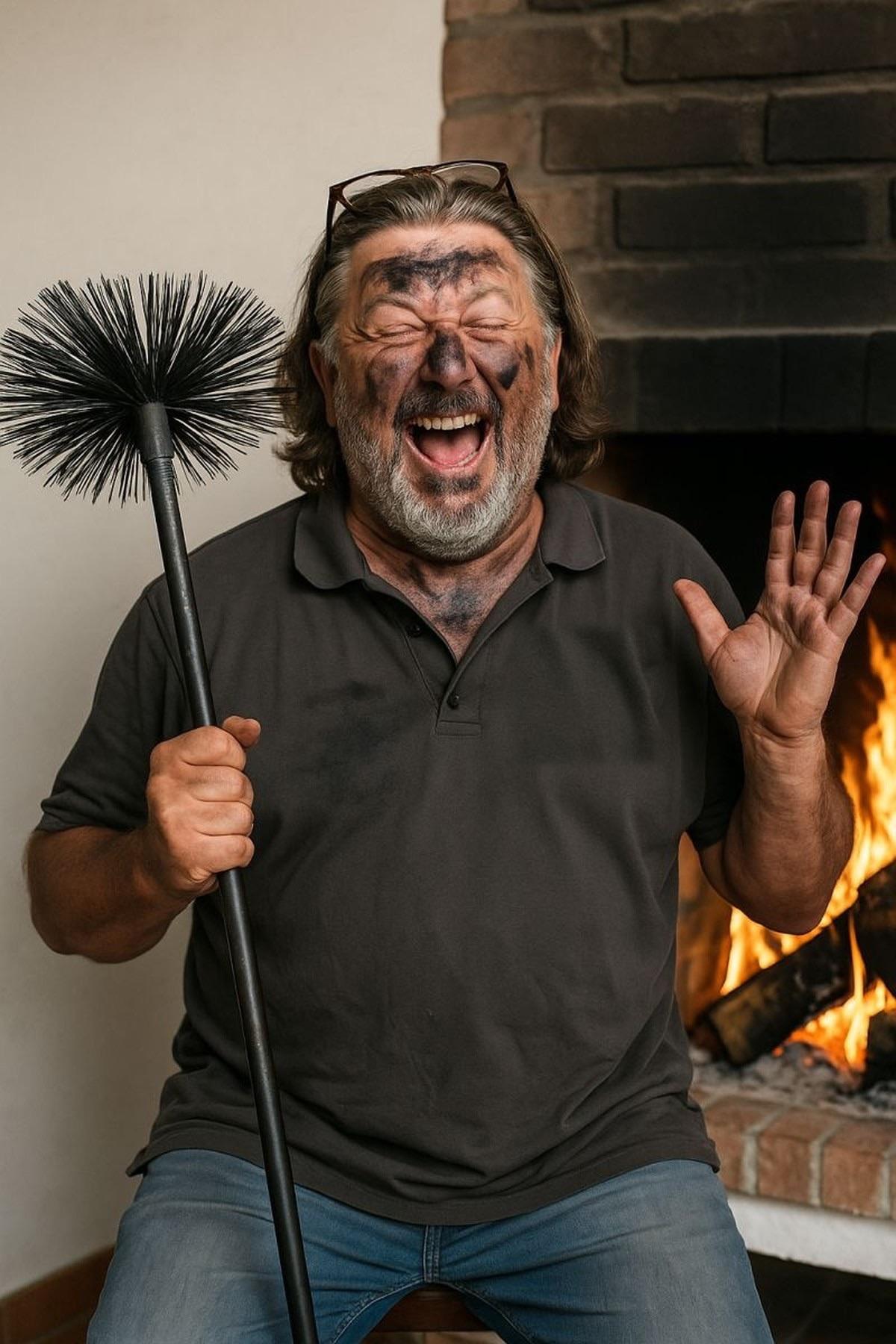
Chimney maintenance in a holiday home in Spain: why it should never be a mystery
A smoking fireplace is rarely a mystery. How to keep a chimney clean, store firewood properly and check a flue before you buy a second home in Spain.
20 November 20264 min read
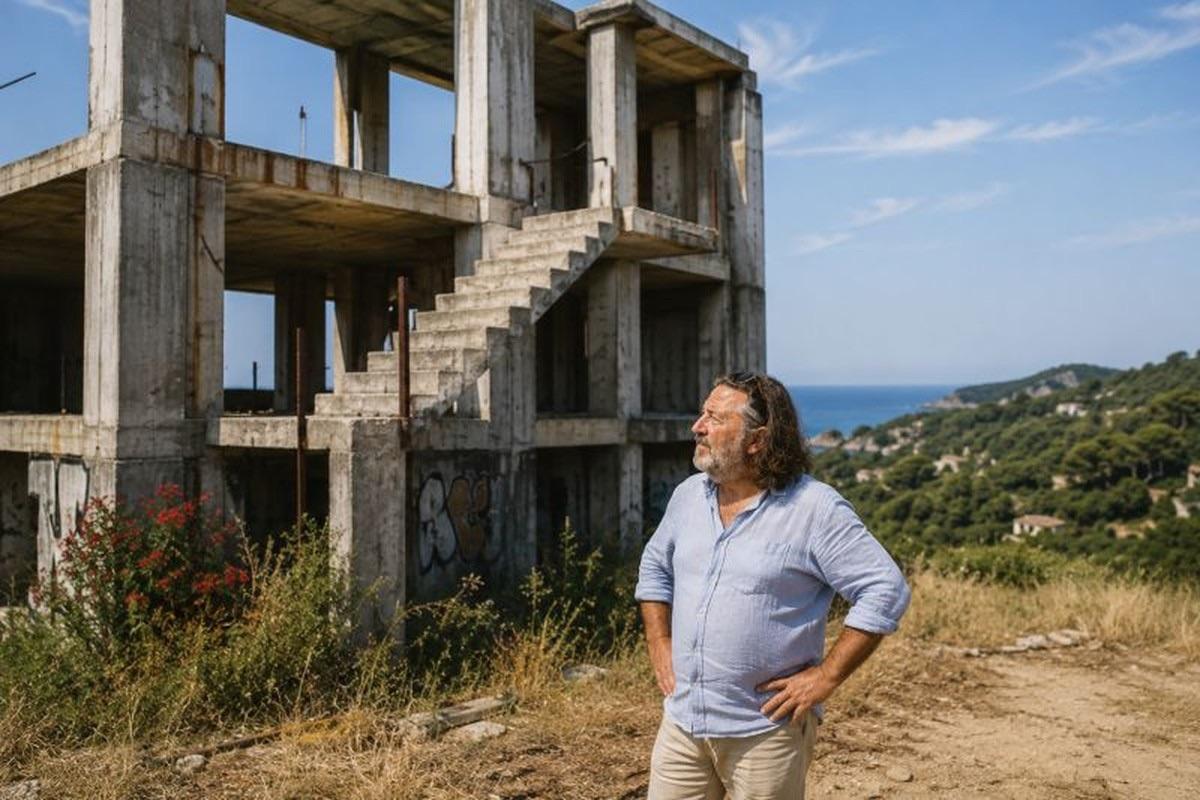
Unfinished buildings in Spain: what the 2008 crisis left on the Costa Brava
Why so many half-built blocks and empty developments still stand on the Costa Brava, what the 2008 crash left behind, and what buyers should check today.