20 November 20264 min read
Unfinished buildings in Spain: what the 2008 crisis left on the Costa Brava
Why so many half-built blocks and empty developments still stand on the Costa Brava, what the 2008 crash left behind, and what buyers should check today.
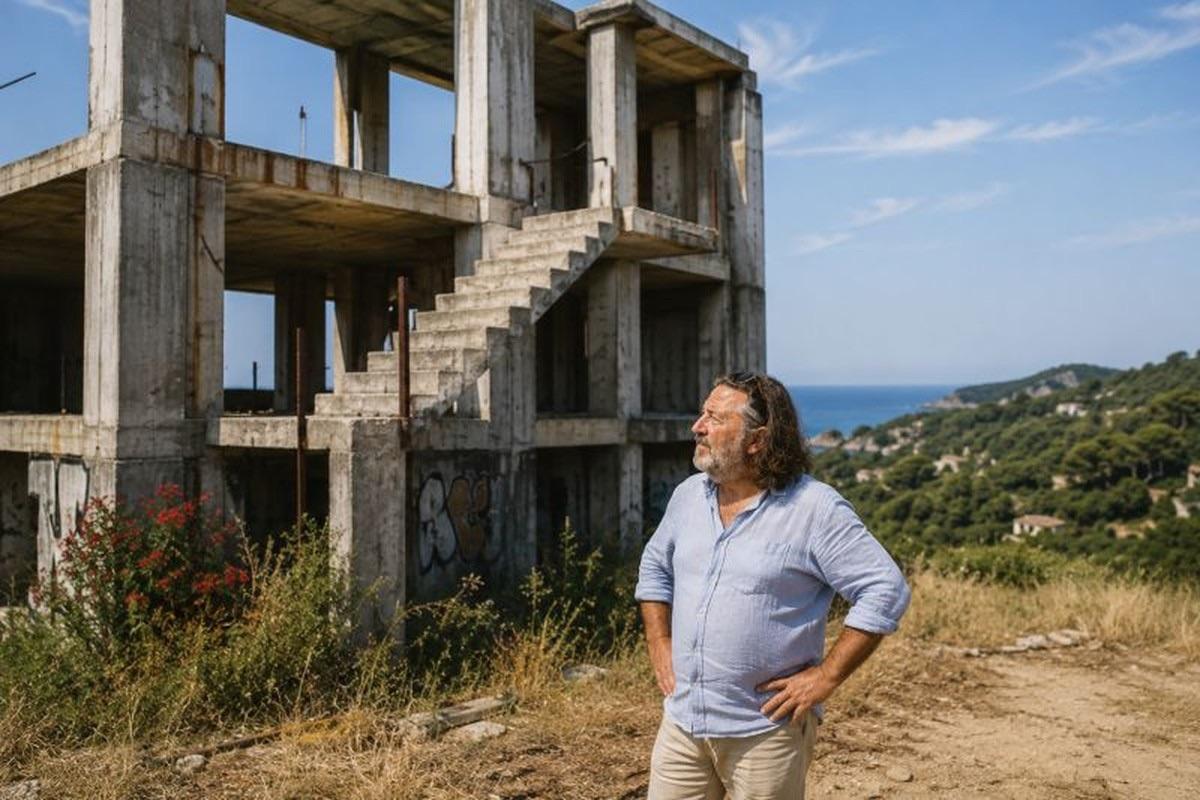
There is a building near my village that has never been finished. Concrete pillars, a staircase that leads to a floor that was never poured, steel rebar rusting quietly at the top like the whiskers of something that gave up. It has stood exactly like that for over fifteen years. Everyone drives past it. Nobody really sees it any more.
Once you start noticing these, you cannot stop.
The skeletons you start to notice
There is a skeleton of an apartment block outside Palafrugell. There is an empty urbanización where the streetlights work and the roads are paved but no houses were ever built, only plots, kerbs and silence. There is a hotel that got to the third floor and stopped. They are everywhere on this coast, if you look, and they all carry the same date, stamped invisibly on them: 2008.
For people who did not live through it here, it is worth understanding what happened, because you are still walking through the aftermath every day.
What happened to Spanish property in 2008
In the years before 2008, Spain built as if it would never end. Credit was cheap, construction boomed and there was a national belief that property only ever went up. Whole developments were planned on the assumption that buyers would keep coming. Small towns approved projects far larger than they needed. Farmers sold land and became, briefly, wealthy. Everyone was building.
Then the credit stopped, almost overnight. Buyers vanished. Builders who were halfway through a project walked away, because finishing cost money that no longer existed and would sell for prices that had collapsed. Banks ended up owning properties they could not offload, and in 2012 Spain set up a state-backed asset management company, known as SAREB, to take over problem real estate from rescued banks. Families who had bought at the peak owed more than their homes were now worth, and many lost them. A fuller account is in the entry on the Spanish property bubble.
The unfinished buildings you see today are the physical fossils of that moment. Frozen exactly where the money ran out.
Why the crash still shapes how people buy and sell
As someone who helps people think about buying here, what I find quietly important is that the crisis did not only leave ruins. It left habits. It shaped how banks lend, how cautiously locals talk about property, why some sellers still price as though it is 2007 and others as though it is 2012.
It is also why a suspiciously cheap plot sometimes comes with a planning history you really want to read carefully. The past is not decoration here. It is information. If a low price is what has attracted you, my piece on what the price of a cheap house is telling you sets out the questions I would ask first.
The good news, if you are looking now, is that the coast recovered, unevenly but genuinely. Some areas came back strongly. Others did not, and you can still see which. Those concrete skeletons are worth understanding because they are a reminder that this market has moods, and that "it can only go up" is exactly the sentence people believed right before it did not.
What to check on a plot, a new build or an urbanización today
If a property sits in or near a development that stalled, a few questions are worth asking before anything else.
- Licences. Does the building or plot have a valid licence, and is it still in force? An old licence may have lapsed, and rules may have changed since.
- Infrastructure. Are the roads, water, electricity and drainage actually finished, connected and adopted by the town hall, or still the developer's responsibility on paper?
- Community costs. In an urbanización, who pays for the upkeep of shared roads and lighting, and are there debts or disputes? Ask for the accounts.
- Who owns the rest. Is the developer still in business? Do banks or an asset company hold the unsold plots, and what are their plans?
- Guarantees on a new build. Spanish building law sets out guarantees for new construction, including a long period for structural defects. The state gazette, boe.es, publishes the text, and a lawyer can tell you how it applies to a specific purchase. Money paid before a building exists should be protected by a bank or insurance guarantee, which is a good reason to take advice before you hand over a deposit.
None of this is meant to put you off. Plenty of good homes sit near a stalled project, and a few unfinished plots will be completed, demolished or reused. But you should see the whole picture, and the photo of the sea view will not give it to you.
That is part of what I do for buyers: read the surroundings and the papers as well as the house, and put it in a written report, as described on the page about how I work.
Somebody's plan
The building near my village will probably never be finished. The rebar will keep rusting. And every time I drive past it, I think the same thing: somewhere, that was somebody's plan.
More from the Journal
27 November 20266 min read
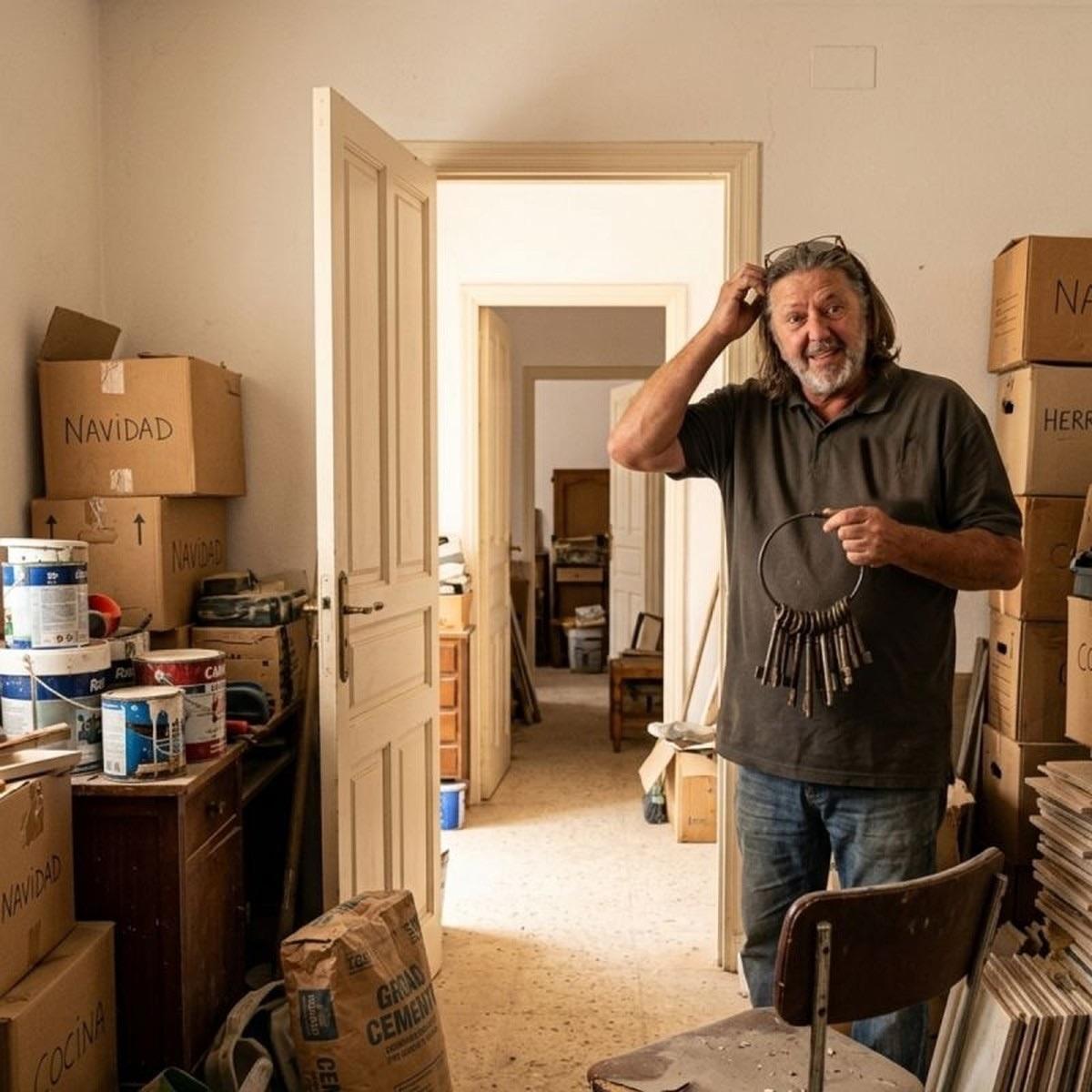
Unregistered extensions in Spain: the room behind the room, and what to check before you buy
Hidden rooms and unregistered extensions are common in Spanish houses. Learn what the registry, cadastre and licence say, and what to check before you sign.
24 November 20265 min read
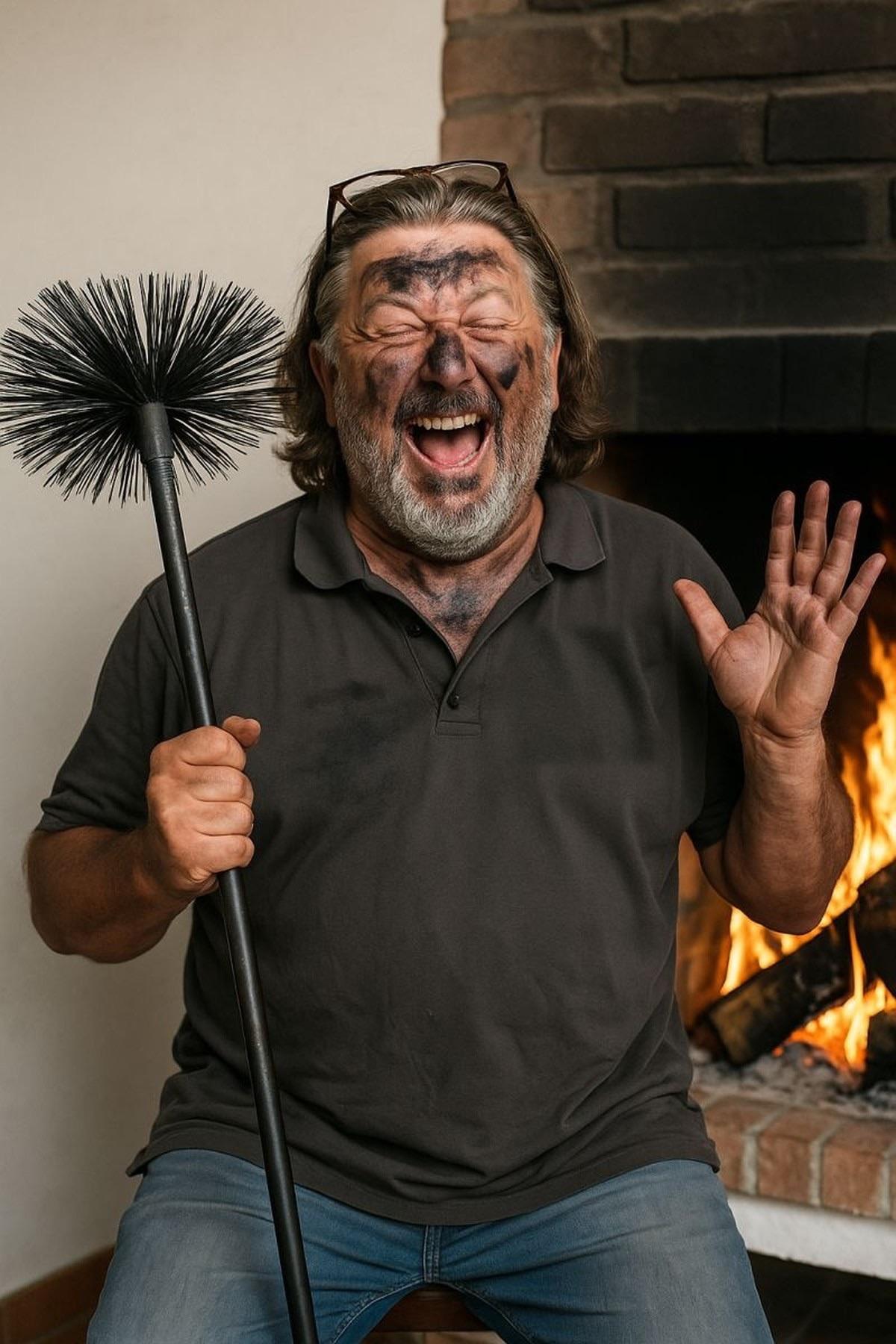
Chimney maintenance in a holiday home in Spain: why it should never be a mystery
A smoking fireplace is rarely a mystery. How to keep a chimney clean, store firewood properly and check a flue before you buy a second home in Spain.
17 November 20264 min read
The Catalan language on the Costa Brava: what a buyer or newcomer should know
Spanish is not the language on the street. What Catalan means on the Costa Brava, its history, and the few words and habits that help a buyer or newcomer.