17 November 20264 min read
The Catalan language on the Costa Brava: what a buyer or newcomer should know
Spanish is not the language on the street. What Catalan means on the Costa Brava, its history, and the few words and habits that help a buyer or newcomer.
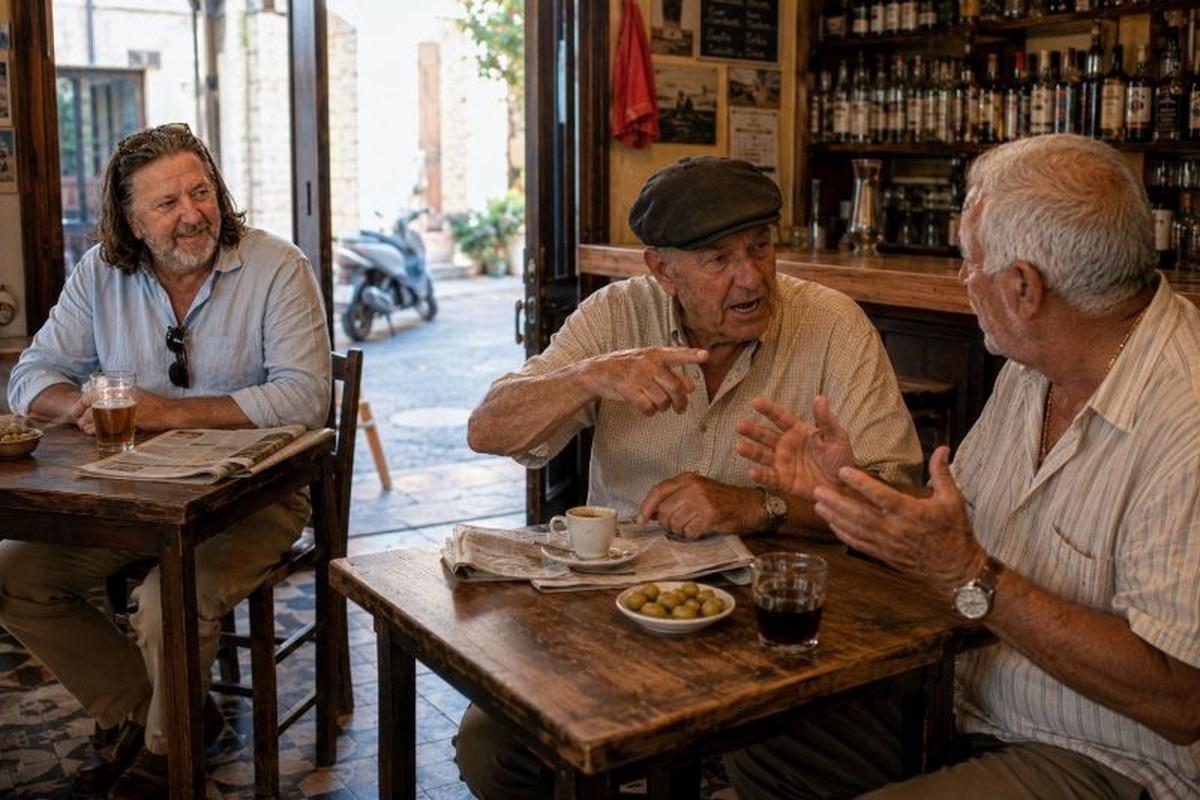
When I arrived on the Costa Brava almost twenty years ago, I had done my homework. I had taken Spanish lessons. I ordered my first beer in confident Castilian, with the kind of accent you can hear from across a room. The bartender smiled politely and answered me in something that was clearly not Spanish.
That was my introduction to Catalan.
Why Catalan is the language you hear on the street
I had no idea, walking into that bar, that I was about to spend the next two decades realising that Spain is not one country with one language. The language people actually use on this stretch of coast, in their kitchens, at their bus stops and in the small heated argument outside the bakery on a Tuesday morning, is not the one I had been studying.
What surprised me most in those early years was how alive Catalan is. I had vaguely assumed it would be a regional dialect, the way Frisian survives in parts of the Netherlands, used by older people and slowly fading. It is nothing like that. Children speak it at school. The mayor opens the village fiesta in it. The plumber writes his invoices in it. Teenagers shout it across the beach.
Catalan is a Romance language in its own right, closer in some ways to the languages of southern France than to Castilian Spanish. If you want a neutral overview of where it is spoken and how it developed, there is a good entry on the Catalan language.
A short history of Catalan, and why it matters to people here
What took me time to understand is that this everyday vitality is, in a way, a quiet achievement. For almost forty years, from the end of the Civil War into the late 1970s, Catalan was effectively banned in public life. It was not taught in schools. It was not printed in newspapers. People spoke it at home, with the volume turned down, and passed it on to their children largely in private.
That period ended in my parents' lifetime, not in some distant century. Catalan became a co-official language in Catalonia with the Statute of Autonomy of 1979, and its use in schools and administration has grown since. The grandparents I nod to at the village market lived through years when speaking their own language outside their own walls was, at best, frowned upon.
The fact that I hear Catalan everywhere now is not a given. It is the result of a generation deciding, quietly and persistently, not to let it disappear. That is worth knowing before you move somewhere. Language here is not only a way of talking. It is a piece of history that people feel responsible for.
Do you need to speak Catalan to live on the Costa Brava?
No. You do not need to learn Catalan to function on the coast. Almost everyone speaks Spanish and will switch to it for you. English and Dutch are common in the places where many foreigners live.
But the moment you try, even badly, the temperature in the room changes. A bon dia at the bakery instead of a buenos días lands differently. You are not suddenly Catalan. But you are no longer entirely a stranger either.
A few words go a long way: bon dia (good morning), bona tarda (good afternoon), gràcies (thank you), si us plau (please), adéu (goodbye). That is it. Nobody expects more from a newcomer and everybody notices the effort. The regional government's language service, at llengua.gencat.cat, lists courses and resources if you want to go further.
Catalan in contracts, signs and town hall paperwork
For buyers there is a practical side as well. Street signs, place names, local notices and many town hall documents are in Catalan, and sometimes only in Catalan. The same town can appear on a map as Girona and on an older Spanish document as Gerona. Do not let that confuse you.
When it comes to anything important, such as a contract, a deed or a technical report, make sure you understand what you are signing. A notary expects the parties to understand the document, and an interpreter or a reliable translation is the sensible route if you do not. Do not rely on a good-natured summary from the other side. I deal with this every day, working in Spanish, Catalan, English and Dutch, so my clients do not have to.
Language is also part of the question I raise in the piece on choosing a village on the Costa Brava. What do people speak at the bar, and do you like what you hear? And if you want to know more about my own background, the page about me has the short version.
What twenty years of listening has taught me
During the day I work in three languages most days, sometimes four. Spanish and Catalan for the official things and with most of the local network. English and Dutch for my clients. It is simply how the place runs.
I still do not speak Catalan well, and probably never will. But after all these years I understand enough to follow the conversation at the next table when two old men argue about whether the new manager at Girona has any idea what he is doing.
That, honestly, is one of the small private pleasures of having stayed long enough.
More from the Journal
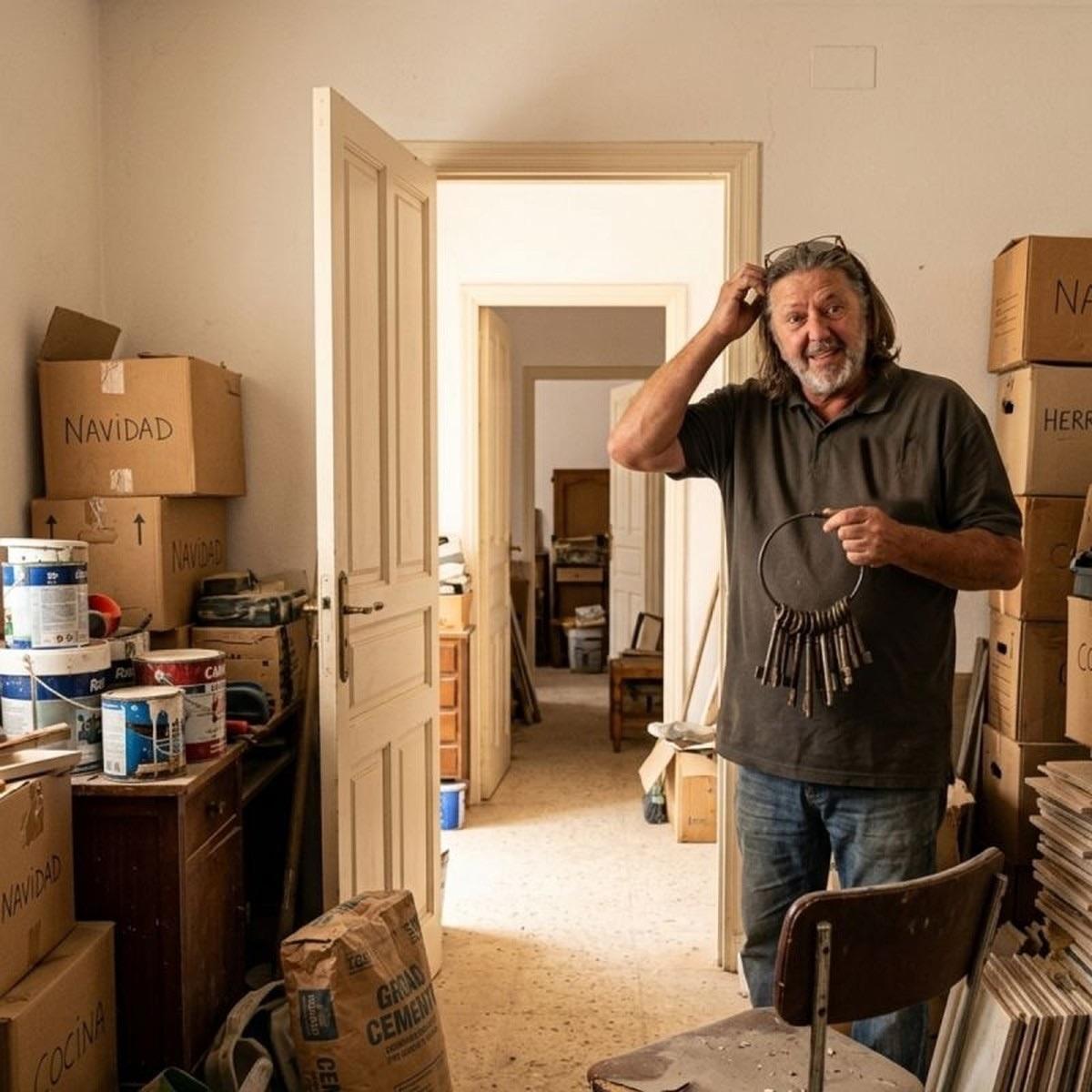
27 November 20266 min read
Unregistered extensions in Spain: the room behind the room, and what to check before you buy
Hidden rooms and unregistered extensions are common in Spanish houses. Learn what the registry, cadastre and licence say, and what to check before you sign.
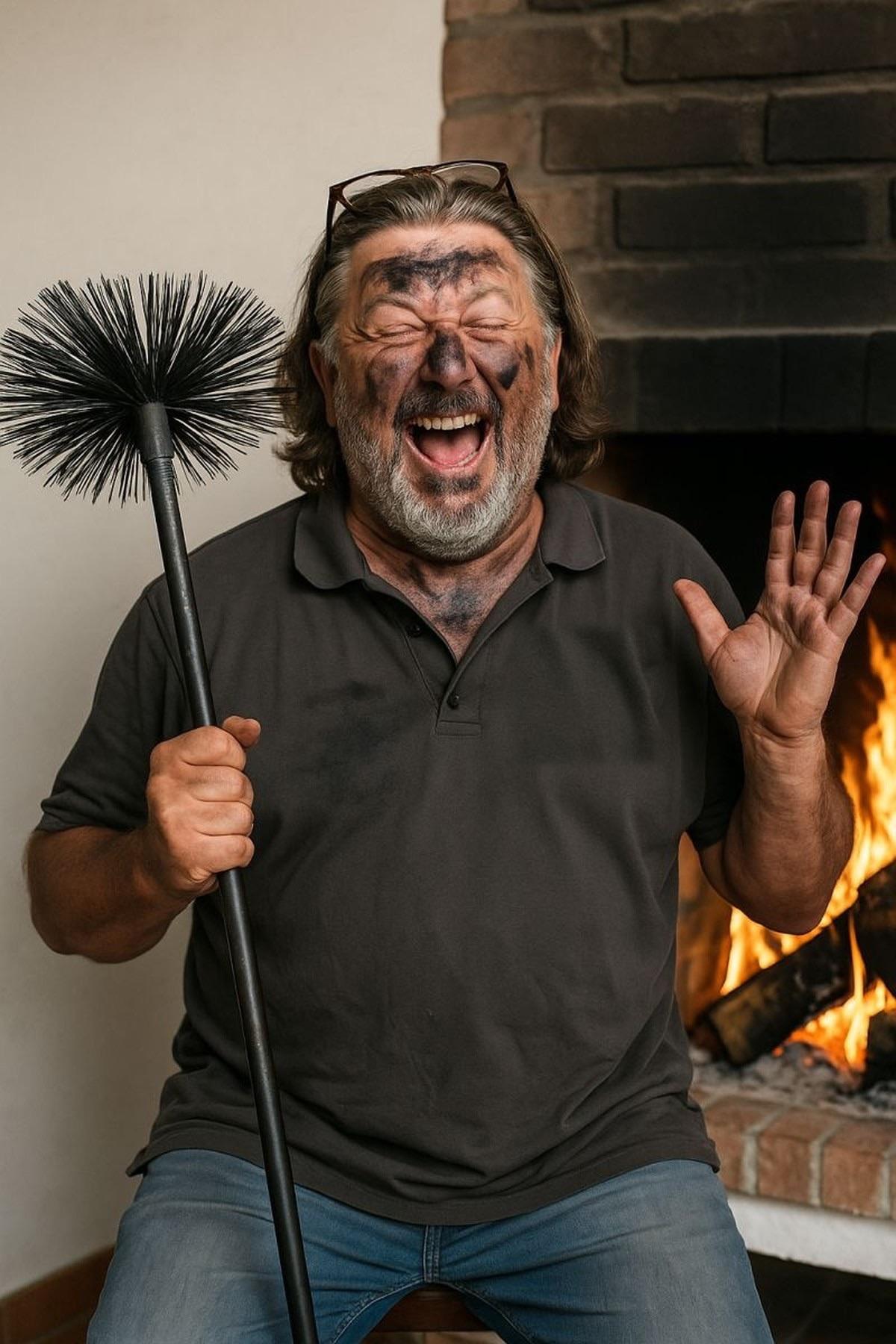
24 November 20265 min read
Chimney maintenance in a holiday home in Spain: why it should never be a mystery
A smoking fireplace is rarely a mystery. How to keep a chimney clean, store firewood properly and check a flue before you buy a second home in Spain.
20 November 20264 min read
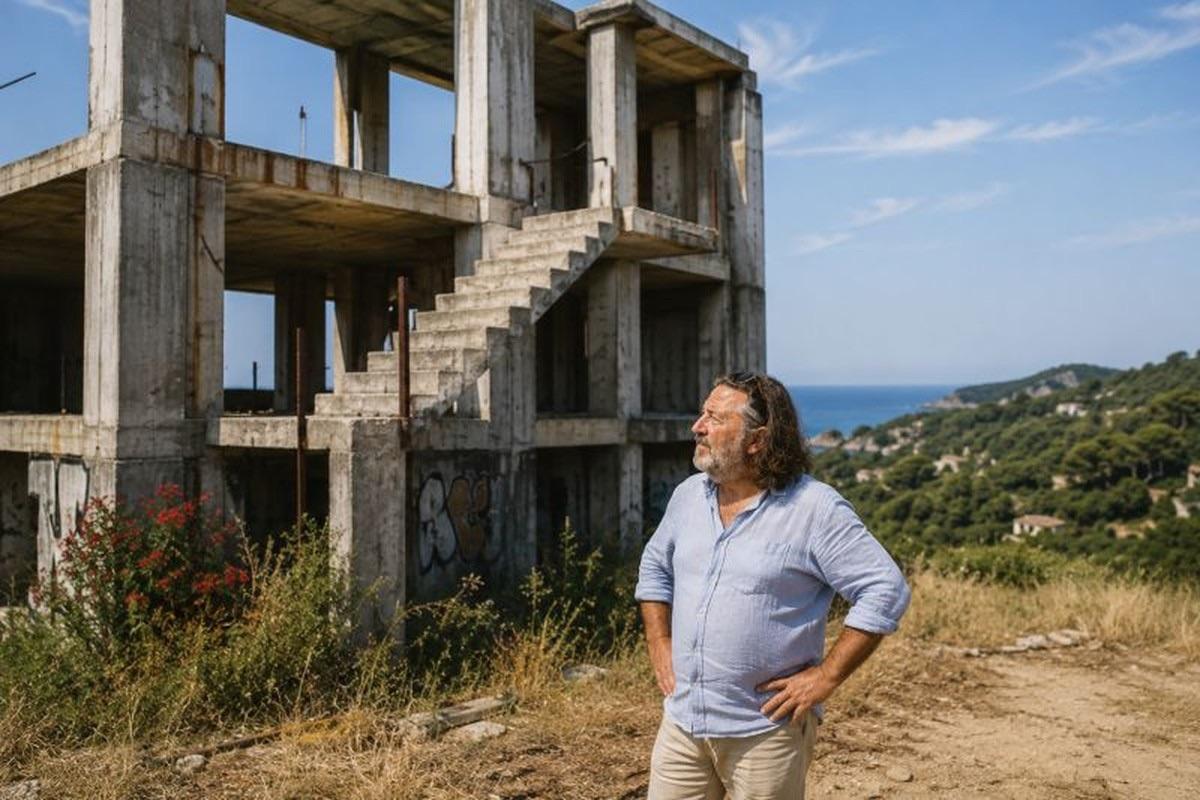
Unfinished buildings in Spain: what the 2008 crisis left on the Costa Brava
Why so many half-built blocks and empty developments still stand on the Costa Brava, what the 2008 crash left behind, and what buyers should check today.