27 November 20266 min read
Unregistered extensions in Spain: the room behind the room, and what to check before you buy
Hidden rooms and unregistered extensions are common in Spanish houses. Learn what the registry, cadastre and licence say, and what to check before you sign.
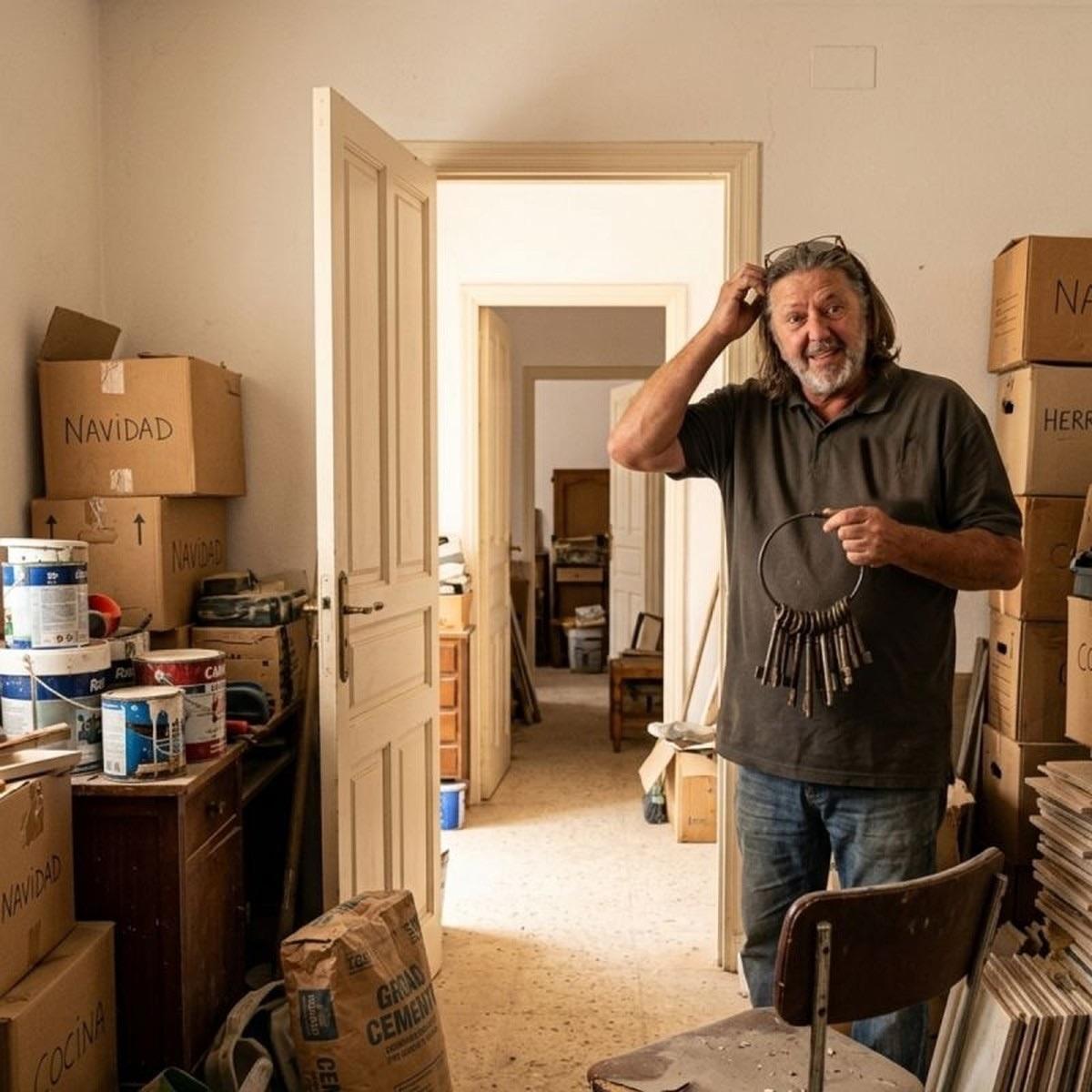
One of the more unexpected discoveries when you own a house in Spain is that it can turn out to be slightly bigger than you thought. Not on paper. In reality.
You arrive, open the door and walk through rooms you know well. Then someone opens a door you had never properly noticed, or hands you a key you have never used. A small room behind the kitchen. A storage area behind the storage area. A wooden panel that looks a little different from the wall around it, clearly closed off at some point.
It is a lovely moment. For a buyer it is also a question worth asking out loud: how did that space come to exist, and does anyone official know about it?
How a house ends up with a room nobody listed
Houses here are usually built under a licence for a set number of square metres. Builders, being builders, sometimes look at a gap under a staircase or a void behind a wall and think: yes, but we can do a little more with this.
So extra space appears. A utility room becomes a bedroom. A porch gets glazed. A covered terrace gets walls. Sometimes it is simply closed off, behind a panel or a light partition, while the paperwork carries on describing the original house. The years pass, the owners change, and the story is forgotten. That is how you get a space that exists for everyone who has a key and for nobody who has a file.
This is not sinister, and it is not unique to Spain. On this coast I would expect it in an older house rather than be surprised by it. Most cases are family houses that grew over decades, not a plot to cheat anyone. But good intentions do not make the paperwork correct.
Licensed, registered and cadastral surface: three different numbers
A Spanish house can have several official sizes, and they do not always agree.
- The town hall holds the building licence and the final works certificate. They describe what was approved and what was built.
- The Land Registry (Registro de la Propiedad) records ownership and describes the property, including any declared new build or extension. A nota simple, a short extract from the registry, shows what is actually recorded. You can request one through the Spanish property registrars.
- The cadastre (Catastro) is the tax record. It sets the cadastral value that your annual property tax (IBI) is based on, and it keeps its own surface figure. The public cadastre website lets you look up a property by its reference.
In Catalonia there is often a fourth number: the habitability certificate (cèdula d'habitabilitat), which is normally needed when a home is sold or rented. If the registry, the cadastre and that certificate each tell a different story, you have found your first question for the seller.
Why unregistered space matters when you buy
You may be paying for square metres that the law does not fully recognise. That has consequences, and they are practical rather than dramatic.
- Price. Asking prices are often built on the total size people can see, not on the registered size.
- Mortgage. A bank values the registered property. Space that is not on the record may add nothing to the valuation.
- Planning. In some cases the town hall can ask for an extension to be legalised or, in the worst cases, undone. Limitation periods exist, but they depend on the type of land, the region and the type of work. "It has been there for decades" is a hopeful sign, not a guarantee.
- Insurance. Insurers cover what you declare. A room nobody declared can become an awkward conversation after a leak or a fire.
- Safety. A space that was closed off may have no ventilation, no proper electrics and no one who ever checked the structure above it. Damp loves a closed room.
- Tax. Regularising an extension can raise the cadastral value and so the annual property tax. Budget for that too.
The same paperwork question gets bigger when a whole building is involved. I come back to it in my piece on unfinished buildings left over from the 2008 crisis.
What I would check before signing
- Ask for a recent nota simple and the cadastral reference, and read the surface figures side by side.
- Ask the seller for the building licence, the final works certificate and any later permits. If there are none, ask why.
- Walk the house with a floor plan in your hand. Look for doors that lead nowhere you expected, panels that sound hollow, floors that change level, and walls that are thicker or thinner than their neighbours.
- Look inside any closed-off space for damp, old wiring and signs of what it was used for.
- Ask your lawyer to check the planning status with the town hall, not just the registry. A notary signs the deed, but the notary does not walk the house.
- If an extension is unregistered, either price it in or make its legalisation a condition of the sale.
This is exactly the kind of technical reading I add to the written report I give buyers, because a licence on paper and a house in real life are two different documents.
What to keep once the house is yours
Once the key is in your pocket, the secret room has a contents list.
Tiles from a renovation you did not witness. Half-used paint buckets. A box of cables that probably belong to something important. Three tools that look useful, though for what is unclear. And almost always one very specific object nobody has touched in years: a Christmas decoration, a chair that clearly meant something to someone.
For many northern Europeans the first reaction is to clear everything out and start fresh. I understand that. But I have learned to wait. Those leftover tiles are exactly what you need when a floor needs patching. The paint suddenly matches a wall. The odd tool solves a very specific problem. And the extra space you had not thought about tends to become essential, once you know what it is allowed to be.
Spain has a way of rewarding people who do not rush to remove everything. The one thing I would do in that first week is look through the boxes for paper: old plans, invoices, the licence, the electrical certificate. In an old house, the missing paperwork is sometimes in the same room as the missing tiles.
Questions buyers ask about hidden rooms
Can an unregistered extension be legalised?
Sometimes. It depends on the age of the work, the type of land, the local planning rules and whether it complies with them. An architect and a lawyer need to look at the specific case, and the cost and the tax effect should be known before you commit.
Can I use the extra room as a bedroom?
Only once you know it is safe and legal to do so. Check ventilation, electrics, damp and the structure first, then check what the registry and the habitability certificate say about the number of rooms.

More from the Journal

24 November 20265 min read
Chimney maintenance in a holiday home in Spain: why it should never be a mystery
A smoking fireplace is rarely a mystery. How to keep a chimney clean, store firewood properly and check a flue before you buy a second home in Spain.
20 November 20264 min read
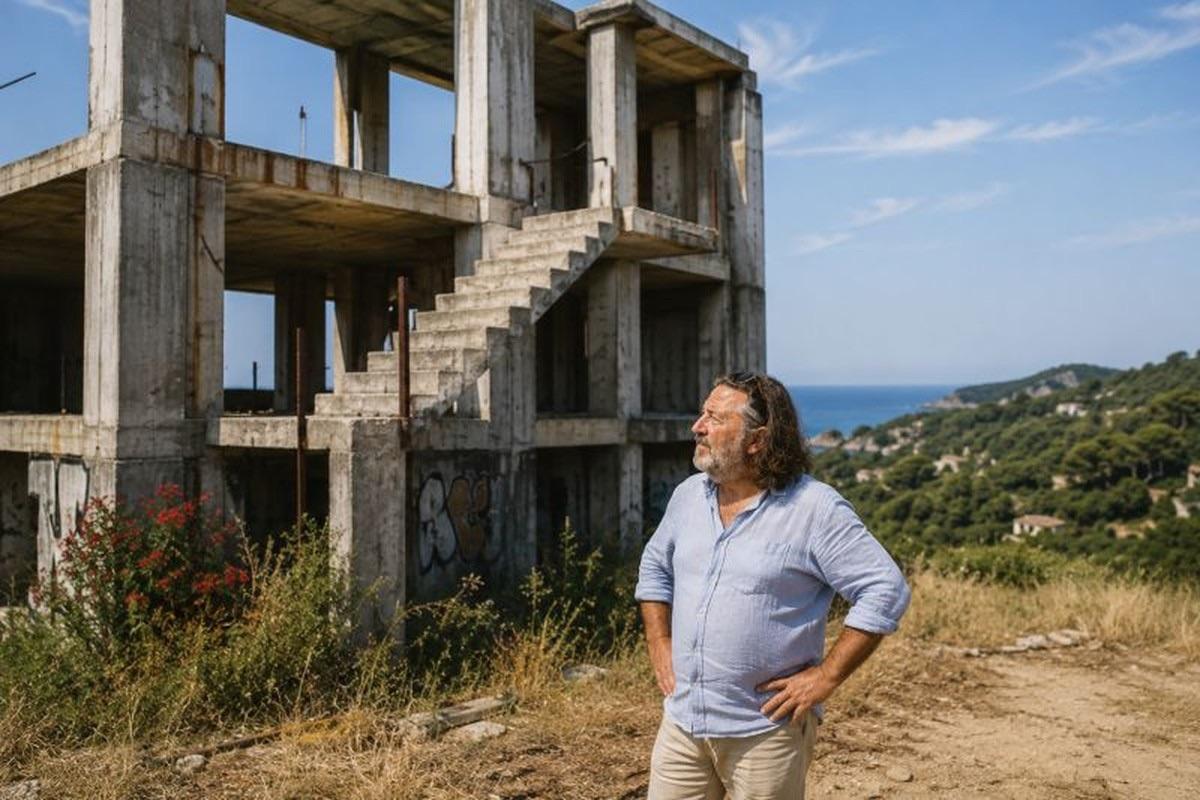
Unfinished buildings in Spain: what the 2008 crisis left on the Costa Brava
Why so many half-built blocks and empty developments still stand on the Costa Brava, what the 2008 crash left behind, and what buyers should check today.

17 November 20264 min read
The Catalan language on the Costa Brava: what a buyer or newcomer should know
Spanish is not the language on the street. What Catalan means on the Costa Brava, its history, and the few words and habits that help a buyer or newcomer.