24 November 20265 min read
Chimney maintenance in a holiday home in Spain: why it should never be a mystery
A smoking fireplace is rarely a mystery. How to keep a chimney clean, store firewood properly and check a flue before you buy a second home in Spain.
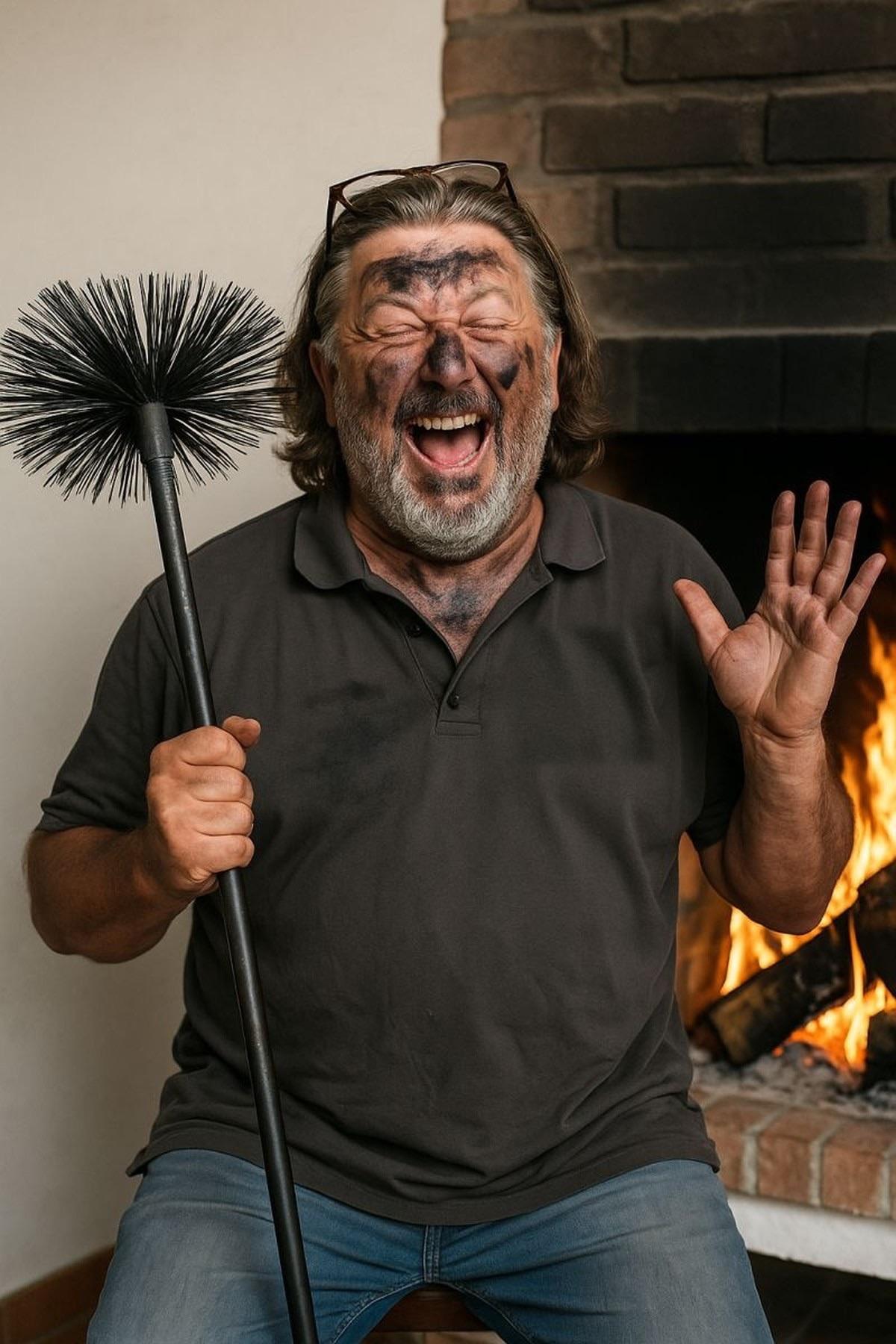
A guest once called me in mild panic: "Arend... the fireplace is smoking. Into the living room. Not out."
Classic.
After a few questions it became clear that the chimney had not been cleaned in, let us say, a while. And the firewood supply? Two logs and a pinecone. Not ideal.
Meanwhile, the neighbour had already lit his first autumn fire. Clean chimney, dry wood stacked neatly, no drama. The only smoke he saw came out of his chimney, not out of his sofa cushions.
Why a holiday home chimney goes wrong
Chimney maintenance in a second home often works like this. You arrive, it is unexpectedly cold and you want to light the fire. Then you hope that the chimney is still in good shape since the last visit. Maybe it is. Maybe it is not. And, of course, you discover you are out of firewood right when the shops are closed.
A house that is empty for months is a gift to everything that likes quiet. Birds build nests in chimney pots. Leaves and debris collect on the cap. Damp gets in around the flashing. Soot and creosote from earlier fires sit on the inside of the flue, waiting. None of this is visible from the living room, which is why the first sign is often smoke in the wrong direction.
Why a dirty chimney is a safety question, not just a nuisance
Keeping a chimney clean should not be a seasonal gamble. With regular maintenance you avoid smoke in the room, you avoid carbon monoxide risks and you avoid those charming little sparks that fly exactly where they should not.
Two risks matter. The first is a chimney fire, when deposits inside the flue catch alight. It can damage the flue and spread to the building, and there is a short explanation of how it happens in the entry on chimney fires. The second is carbon monoxide, which you cannot see or smell and which a blocked or badly working flue can push back into the room. The symptoms and the dangers are summarised in the entry on carbon monoxide poisoning. A battery carbon monoxide alarm in any room with a fire or a stove is cheap and sensible, and it does its job even when nobody is home to smell anything.
A clean chimney also burns hotter, safer and with less wood. That is the efficient end of the argument.
A simple yearly routine for a second home
This is what I would do, in order, if I owned a house here that I used mostly in the cold months:
- Sweep before the season, not during it. Have a professional sweep (a deshollinador in Spanish) clean and look at the flue at the start of autumn, not on the first cold evening. For a house you use a lot, ask how often they recommend it.
- Look at the outside. From the ground or the terrace, check that the cap is in place, that there are no nests or loose pieces, and that the chimney does not lean.
- Look at the inside. Watch for damp stains or soot marks on the walls around the chimney breast. They suggest a leak or a poorly drawing flue.
- Test the alarm. Put in a fresh battery and press the button.
- Light a small fire first. Do it early in the day, with the door open, and watch that the smoke goes up.
Book the sweep with the calendar in mind. A visit that lands on a bridge holiday will not happen, as I describe in the piece on public holidays and tradespeople in Catalonia.
Firewood: dry, stored well and ready before you arrive
A well-stocked pile of dry, safe firewood turns every arrival into an easy "feet up, fire on" moment. No wet logs, no scrambling, no improvising with garden trimmings.
A few simple rules. Use well-seasoned hardwood, such as oak or holm oak, which is common here. Split it, stack it off the ground, keep the top covered and leave the sides open to the air. Do not keep a large stack against the house or under the eaves, because it attracts insects and it is a fire risk. Never burn painted or treated wood, or garden waste that has not dried, in an indoor fire. And remember that dry, windy weather makes any outdoor fire dangerous, so follow the local rules on burning.
It helps to buy your wood in summer for the following winter, when it is easier to find and the delivery person is not busy. Enough to last comfortably, even if you surprise yourself by staying longer than planned.
What to ask about the chimney when you are buying
If you are looking at a house with a fireplace or a stove, add these to your list. When was the chimney last swept, and is there a record? Is the flue lined, and is the liner in good condition? Is the stove or insert properly connected, and who fitted it? Is there staining near the chimney on the ceilings upstairs, or in the roof space? A chimney that has not been looked at for years is not a reason to walk away. It is a small, known cost, which you can bring into the negotiation.
This is the kind of detail I put in the written report I give buyers, with the condition of the house, the spend you can expect in the first years and what to fix first. You can read about it on the page about how I work.
A little preparation goes a long way. It keeps the Costa Brava evenings exactly as they should be: warm, quiet and smelling like a good fire, not like a barbecue incident.

More from the Journal
27 November 20266 min read
Unregistered extensions in Spain: the room behind the room, and what to check before you buy
Hidden rooms and unregistered extensions are common in Spanish houses. Learn what the registry, cadastre and licence say, and what to check before you sign.
20 November 20264 min read
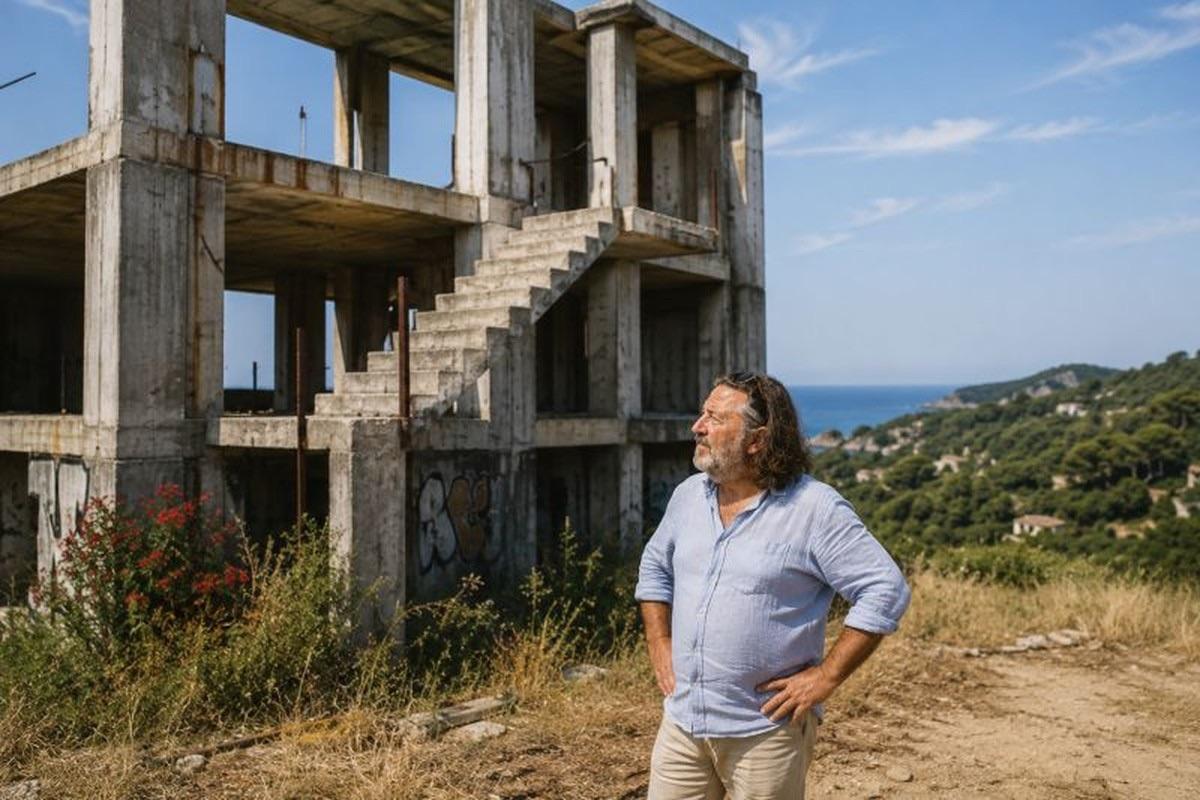
Unfinished buildings in Spain: what the 2008 crisis left on the Costa Brava
Why so many half-built blocks and empty developments still stand on the Costa Brava, what the 2008 crash left behind, and what buyers should check today.

17 November 20264 min read
The Catalan language on the Costa Brava: what a buyer or newcomer should know
Spanish is not the language on the street. What Catalan means on the Costa Brava, its history, and the few words and habits that help a buyer or newcomer.