3 November 20264 min read
Public holidays in Catalonia: why nobody is working today and nobody told you
Why the painter did not turn up: public holidays, puentes and local fiestas in Catalonia, and how to plan work on a second home so nobody is a surprise.

You have planned this weekend for weeks. The painter is coming on Friday morning. The pool person is stopping by to open the pool properly. The man who was supposed to look at the shutters in March has, finally, confirmed for today. You have written everything on a neat little list, because that is how you were raised.
Friday morning arrives. Nobody else does.
You check your phone. No messages. You call the painter and it rings, politely, into a void. You call the pool person. Same. You walk down to the village square to see if anyone is at the café who might know anything, and the café is closed. The square is empty. The bakery has a small handwritten sign on the door that, translated loosely, says "closed, see you Monday, regards."
It is, you slowly realise, the first of May. Dia del Treball. Labour Day. A public holiday so obvious to everyone who lives here that nobody thought to mention it to you, because mentioning it would be like reminding someone that Tuesday comes after Monday.
The calendar in Catalonia has its own logic
This is one of the quiet traps of owning a second home in Spain. The calendar has its own logic, and it is not the logic in your phone.
There are national holidays, such as 1 May, 15 August and Christmas Day. Catalonia adds its own: Easter Monday, 24 June (Sant Joan), 11 September (the Diada, the Catalan national day) and 26 December (Sant Esteve). On top of that, each municipality picks local holidays, and the one that matters most is usually the village's festa major, the patron saint's festival, which nobody outside the village has ever heard of and which is almost never online.
I would not rely on my list. The official calendar changes year by year, and some holidays move. The regional government publishes the Catalan working calendar through gencat.cat, and the national holidays are set out in the state gazette at boe.es. Look at both before you book anyone.
What a puente does to your week
Then there are the puentes, the bridges. When a holiday lands on a Tuesday or a Thursday, a large part of the country takes the Monday or the Friday off too, because what would be the point of working that one day? The official holiday is Tuesday. The real shutdown runs from Saturday to Wednesday.
This affects more than painters. Shops close early or stay shut. Offices, including the town hall and the notary, may work reduced hours or none. Delivery slots disappear. A tradesperson who would normally take your job may be at his sister's house in the next village, and nobody will think it odd.
Why nobody calls to say the appointment is off
Northern European planning runs on the assumption that a confirmed appointment is a contract. Catalan planning runs on the assumption that a confirmed appointment is a general intention, which will be honoured unless something else comes up, and something else always comes up on or around a festivo.
What makes it harder is that nobody cancels. Nobody phones to say "by the way, it is a holiday, let's move it to Monday." You are simply expected to know. And if you do not know, that is, with all due affection, a bit on you.
The same habit explains why a quote promised "this week" may arrive after the long weekend, and why the Friday afternoon before a holiday is a poor time to discover that something is leaking. In my years maintaining houses on this coast, I learned to treat the calendar as a tool, like a spirit level. You do not need to love it. You do need to check it.
How to plan work on a second home around Spanish holidays
Here is the practical version:
- Before you fix a date with anyone, look up the holidays for the month and for the village.
- Ask the person you are hiring: "Is that day a holiday for you?" It is not rude. It is normal.
- Reconfirm two days before. A short message is enough.
- Leave a buffer day at both ends of a puente. If the work is urgent, say so, and accept that it may cost more.
- For anything that must be finished before you leave, such as opening the pool, getting the water on or having shutters repaired, aim for the middle of a normal working week, not the edges.
- If you are travelling from northern Europe in May or June, check the Catalan calendar before you book the flights, not after.
Ask someone local what is happening in the village that week, because there is almost always something. If you are buying and want to understand the rhythm of a particular place before you commit, that is part of what I look at with buyers in my search and viewing process. Seasonal weather matters in the same way, for example the tramuntana wind that arrives uninvited.
Enjoy the quiet
It sounds small. It is not small. It is the difference between a weekend that works and a weekend that is mostly you, a list nobody is reading and a pool that is still green.
And if nobody picks up today, it is not personal. It is just, genuinely, nobody working. Enjoy the quiet. Tomorrow, or on Monday, the village comes back.

More from the Journal
27 November 20266 min read
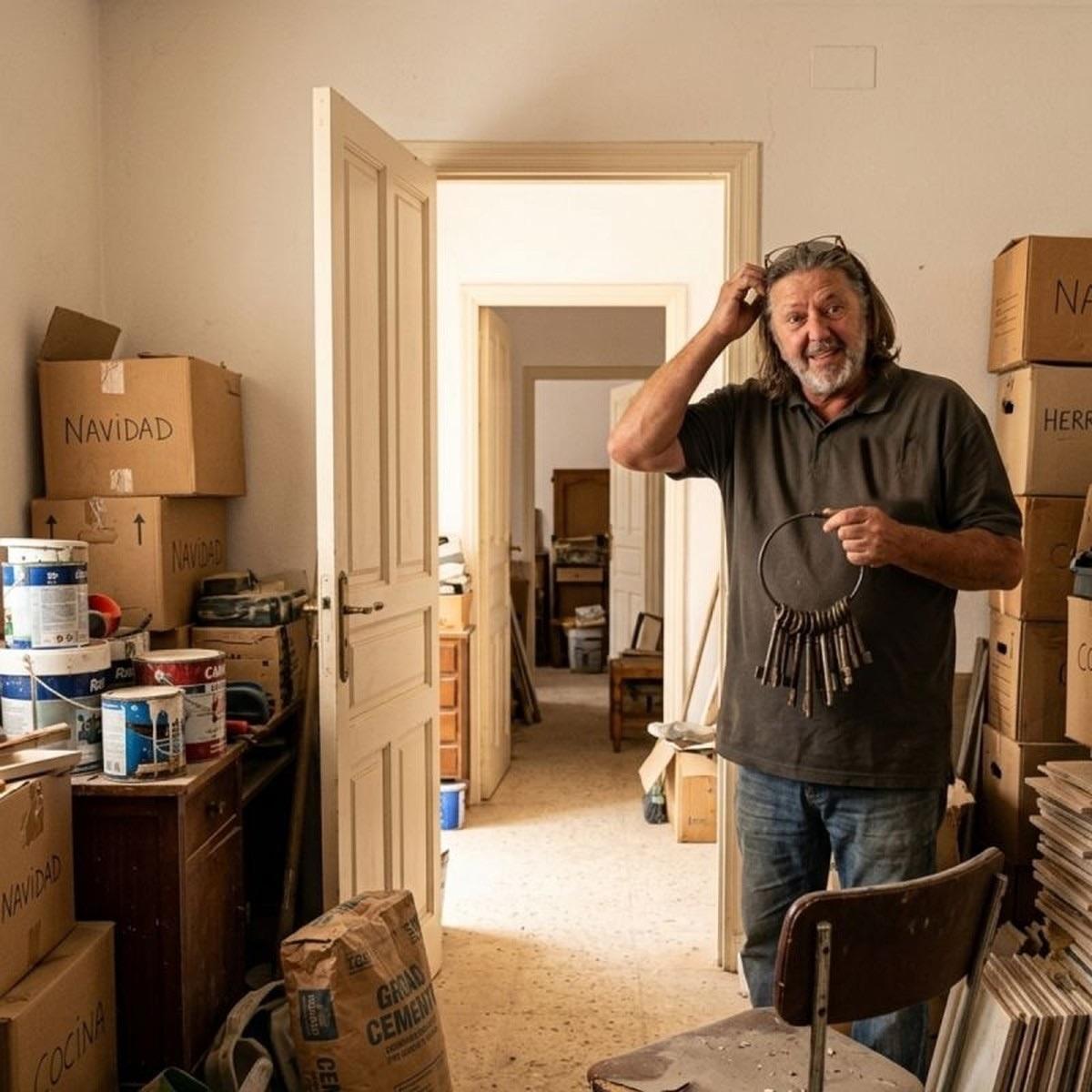
Unregistered extensions in Spain: the room behind the room, and what to check before you buy
Hidden rooms and unregistered extensions are common in Spanish houses. Learn what the registry, cadastre and licence say, and what to check before you sign.

24 November 20265 min read
Chimney maintenance in a holiday home in Spain: why it should never be a mystery
A smoking fireplace is rarely a mystery. How to keep a chimney clean, store firewood properly and check a flue before you buy a second home in Spain.
20 November 20264 min read
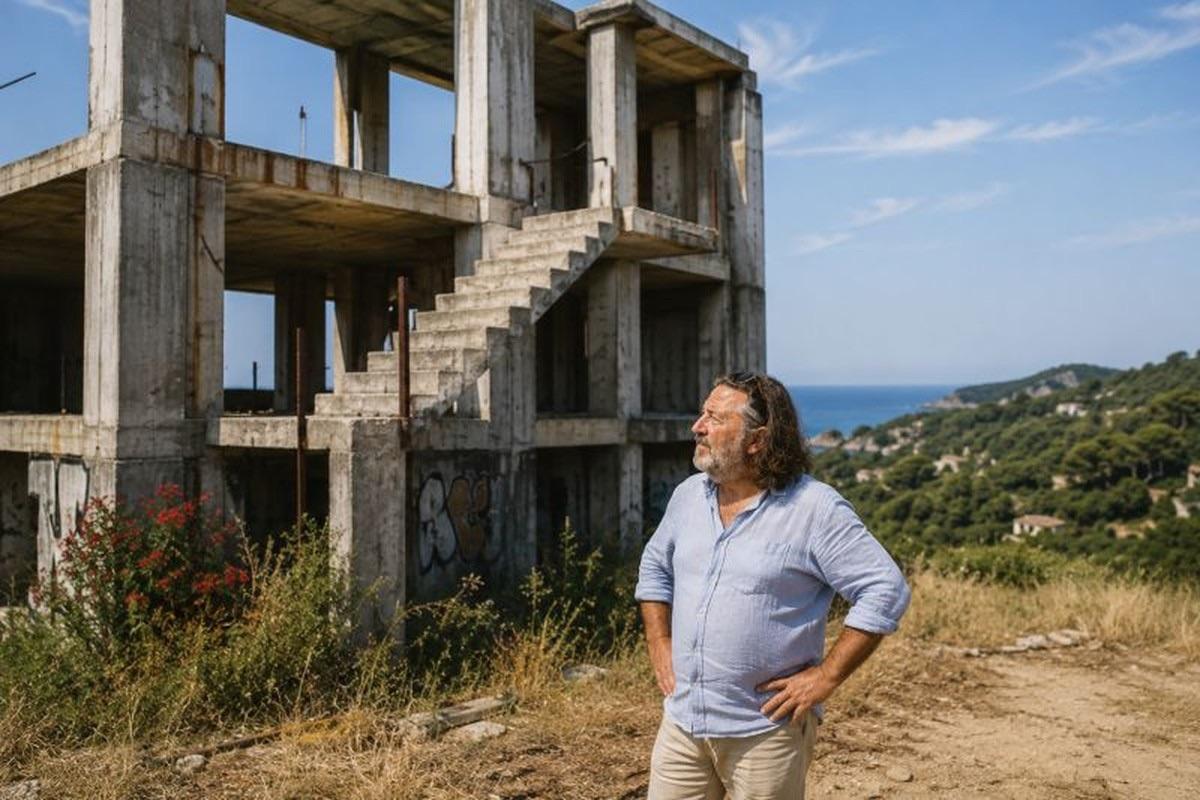
Unfinished buildings in Spain: what the 2008 crisis left on the Costa Brava
Why so many half-built blocks and empty developments still stand on the Costa Brava, what the 2008 crash left behind, and what buyers should check today.