13 November 20265 min read
Choosing a village on the Costa Brava: buy the place before the house
You can ship a sofa, a Ferrari or a piano, but not a house. How to choose a village on the Costa Brava first, and test it in February before you buy.
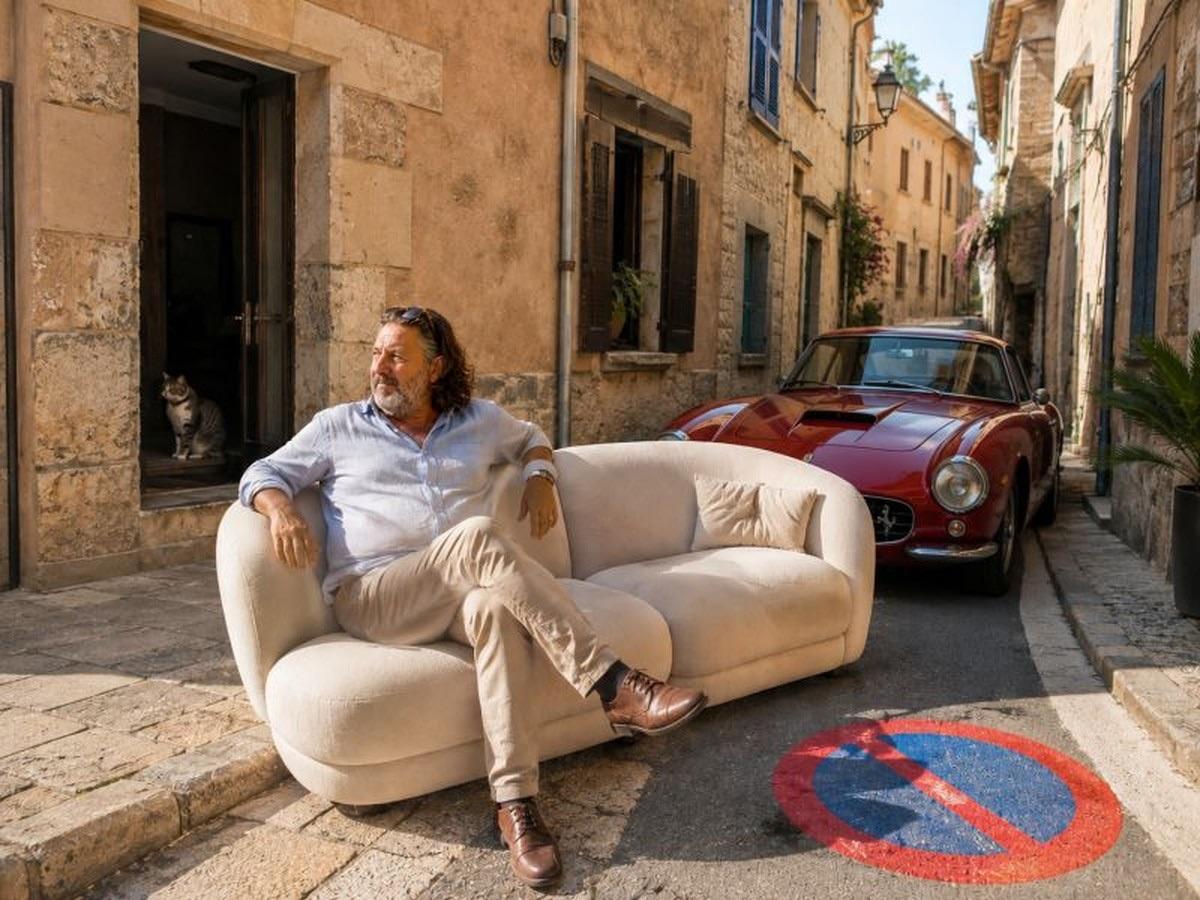
Someone I know once bought a designer sofa from a showroom in Milan without ever sitting on it. They saw it online, paid, and three weeks later a van carried it up the hill to a house near Calonge. The sofa is very happy here.
You can do this with almost anything. A vintage Ferrari in Modena? Wire the money and a covered transporter delivers it to your garage. A wine collection, a grand piano, a boat. If you love it, you can bring it to where your life is.
There is one exception, and it happens to be the most expensive thing most people ever buy.
You are not just buying a house
A house stays exactly where it is. Forever. Which means that when you buy a house, you are not really buying the house. You are buying the street, the village, the ajuntament (the town hall), the neighbours, the bakery and the traffic situation in August. The house is included, almost as a bonus.
The photos never show this. Photos show the pool, the wooden beams and the sea glimpse from the roof terrace. They do not show that the nearest supermarket may shut for weeks in winter, or that a charming narrow street can be declared residents-only for parking by a town hall that takes such decisions with impressive confidence and very little warning.
What a village looks like in February
I see a pattern on the Costa Brava. Someone falls in love with a house in a village they have visited twice, both times in June. Then February arrives, half the shutters in the street stay closed, and the village they bought into turns out to be a different village entirely.
None of this means the house was a bad house. It usually means nobody looked past the property line.
Many places on this coast live two lives. In summer there are crowds, open terraces and a queue for the bakery. In winter the same place can be wonderfully peaceful, or it can feel empty. Which one you want is a personal choice, and neither is wrong. The mistake is to make that choice by accident.
A checklist for testing a village before you buy
This is what I would check, roughly in this order:
- Daily life. Where is the nearest bakery and supermarket, and are they open outside the season? Is there a weekly market?
- Getting around. How long is the drive to the airport or the nearest larger town in winter and in August? Is there a bus, and does it run in winter?
- Parking. Can you actually park near the house, in the evening, in July? Ask about resident permits and any restrictions.
- Health care. Where is the nearest health centre, and what are the arrangements for emergencies? The Catalan health service publishes information at CatSalut.
- Population. How many people live there all year, as opposed to in summer? The statistics institute Idescat gives official figures for each municipality and a sense of the size of the place.
- Language and habits. Who are the neighbours, and what language do they speak? Do you like what you hear at the bar?
- Noise and smells. Bars, a road, a farm, a bin point. Stand outside the house at different times of day.
None of that takes long. All of it is more useful than a third visit to the same restaurant.
It also helps to be honest about how you will use the house. A weekend and summer home can sit happily in a village that is lively in July and quiet the rest of the year, because you will mostly be there when it is lively. If you plan to live here all year, the questions change. You will care about the school run, the doctor, the shop that is open on a Monday in January and whether anyone nearby is awake after the last tourist has gone home. The same village can be the right answer to one of those plans and the wrong answer to the other.
Think about the future version of yourself as well. A house at the end of a steep, narrow lane is charming at fifty and a daily problem at seventy-five. A village where everything is a drive away works well while you drive, and less well afterwards. I am not suggesting you buy for a life you have not started. I am suggesting you notice which of these things you could change later, such as the furniture, and which you cannot, such as the hill.
My advice: spend a rainy Tuesday there in February
This is why, when people ask me to help them find a home here, I spend more time on the village than on the viewing. Estate agents sell houses. That is their job, and I explain the limits of that role in the piece on what estate agents do not tell you. Nobody sells you the region. Yet the region is what you wake up in every morning, long after the excitement about the wooden beams has settled into furniture.
My advice has become very simple. Before you buy anywhere, spend a rainy Tuesday there in February. Have a coffee, if you can find a bar that is open. Try to park. Talk to a neighbour. Walk to the bakery. If you still love it then, you will love it in July too.
That kind of homework is the first part of how I work with buyers: defining what fits, narrowing the search and only then going to viewings. The steps are on the page about how I work, and the live article on looking beyond estate agent photos covers the house itself.
The sofa you can always ship somewhere else.

More from the Journal
27 November 20266 min read
Unregistered extensions in Spain: the room behind the room, and what to check before you buy
Hidden rooms and unregistered extensions are common in Spanish houses. Learn what the registry, cadastre and licence say, and what to check before you sign.

24 November 20265 min read
Chimney maintenance in a holiday home in Spain: why it should never be a mystery
A smoking fireplace is rarely a mystery. How to keep a chimney clean, store firewood properly and check a flue before you buy a second home in Spain.
20 November 20264 min read
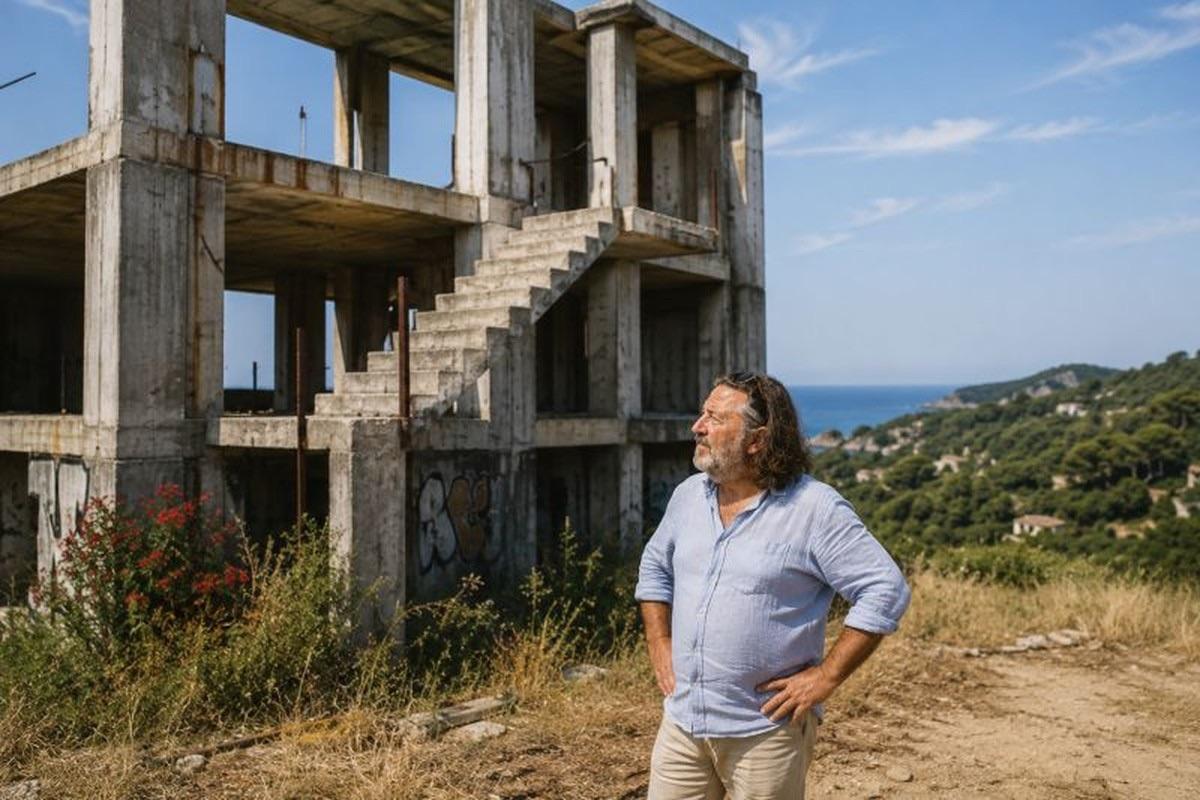
Unfinished buildings in Spain: what the 2008 crisis left on the Costa Brava
Why so many half-built blocks and empty developments still stand on the Costa Brava, what the 2008 crash left behind, and what buyers should check today.