30 October 20265 min read
Cheap house on the Costa Brava? What the price is trying to tell you
A cheap house on the Costa Brava is information, not luck. How to read the price, the listing history and the hidden costs before you decide.
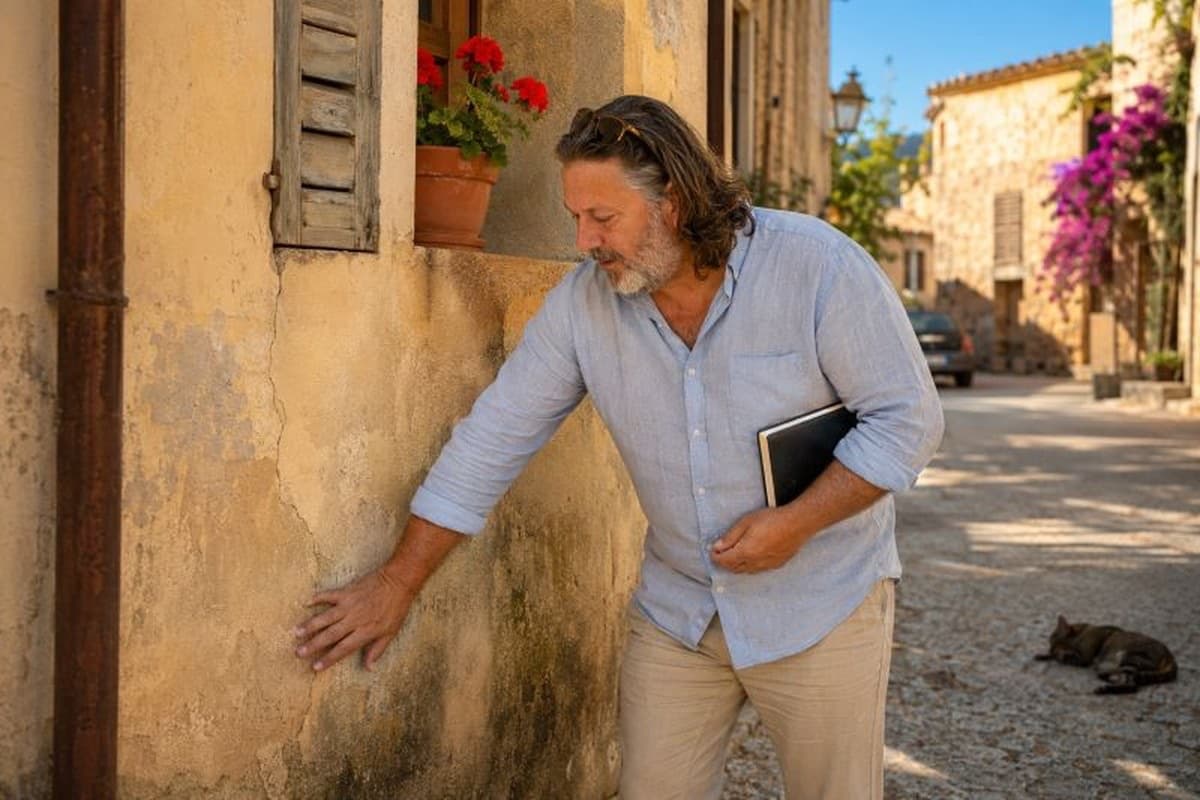
Every buyer's eyes light up at the same thing: the house that costs noticeably less than everything around it. Same village, same views, similar size, but a clear discount. It feels like a stroke of luck. Sometimes it is. Usually the price is trying to tell you something, and the trick is learning to listen.
Ask how long, not how much
The first question I ask is not "how much" but "how long". How long has the house been on the market, and how many times has it been listed? A house that has quietly been for sale three times in eight years, dropping its price with each attempt, is not a bargain waiting for you. It is a question that several earlier buyers looked into and walked away from.
They are not all fools. Occasionally the house is genuinely fine and just badly presented. More often they found the thing you have not found yet. Listing history is not always easy to see, because agents change and photos change, but a patient search of the portals and a few polite questions in the village will usually fill in the picture.
The quiet problems behind a low price in Spain
The thing is rarely dramatic. It is almost never a ghost or a leaking roof you can see. On this coast it tends to be one of a handful of quiet and expensive problems:
- A boundary that does not match the deeds.
- An extension built years ago without a licence, which the seller calls "the terrace" and the town hall calls "a problem".
- A neighbour dispute that comes with the walls.
- Rising damp in a stone house that no amount of paint will ever really solve.
- A community of owners with an empty maintenance fund and a lift that will need replacing next year, with the bill split between six apartments.
None of these show up in the photos. All of them show up later, usually in the autumn, usually with an invoice attached. Some of them also show up in a document. The land registry extract, the nota simple, lists the registered owners, the registered size and any mortgages or claims. The registrars' site, registradores.org, explains how that system works. If the size on paper is smaller than the house you are standing in, somebody built something, and you need to know whether it was legal.
A word on that last point, because it comes up so often. An unlicensed extension is not only a paperwork problem. It can limit what you can borrow, what you can insure, and what you can sell later, and the town hall decides what happens next, not the seller. I would never treat "it has always been like that" as an answer.
How the Spanish system differs from northern Europe
Here is the part that catches Northern European buyers out. Back home, a lot of this is caught for you. The system is built to surface problems before you sign, with structural surveys, mandatory disclosures and a buyer's agent whose job is to be sceptical on your behalf.
Here, far more is left to you to discover, and the language and the local habits make it genuinely hard to know where to dig. The cheap price is not hiding the problem out of malice. The system just does not hand it to you the way you are used to. A notary checks that the paperwork of the sale is in order. That is not the same as telling you that the roof needs replacing or that the terrace has no licence.
Official statistics can help you judge whether a village is generally cheaper or dearer than its neighbours. The Catalan statistics institute, Idescat, publishes data by municipality. Use it for context, not for a verdict on one particular house.
How I look at a cheaper-than-expected house
When I look at a house that is cheaper than it should be, I do not get excited and I do not get suspicious. I get curious. Cheap is not good news or bad news. It is information that has not been decoded yet.
Here is how I would start:
- Find out how long it has been on the market and whether the price has moved.
- Compare the registered size and the real size, and ask about every extension.
- Look for damp, cracks and old repairs, inside and out, on a dry day and after rain if you can.
- Ask who owns it. A house with several heirs can be cheap for a reason, as I explain in the piece on inherited property and proindiviso.
- For an apartment, ask for the community accounts, the minutes of recent meetings and any approved or planned works.
This is the kind of work I do in a written report: the condition, the likely spend over the first years, what to fix first, what to negotiate on and, now and then, when to walk away. You can read how that fits into a search on the page about how I work.
The discount is never free
Sometimes, once you understand why a house is cheap, the problem is one you can happily live with, or fix, or use to negotiate. Then it really is a good deal, and you buy it with your eyes open.
But the discount is never free. You either pay for it in the price or you pay for it later. The buyers who do well here are simply the ones who found out which, before they signed.
The most expensive house on this coast is usually the cheap one nobody understood.

More from the Journal
27 November 20266 min read
Unregistered extensions in Spain: the room behind the room, and what to check before you buy
Hidden rooms and unregistered extensions are common in Spanish houses. Learn what the registry, cadastre and licence say, and what to check before you sign.
24 November 20265 min read
Chimney maintenance in a holiday home in Spain: why it should never be a mystery
A smoking fireplace is rarely a mystery. How to keep a chimney clean, store firewood properly and check a flue before you buy a second home in Spain.
20 November 20264 min read
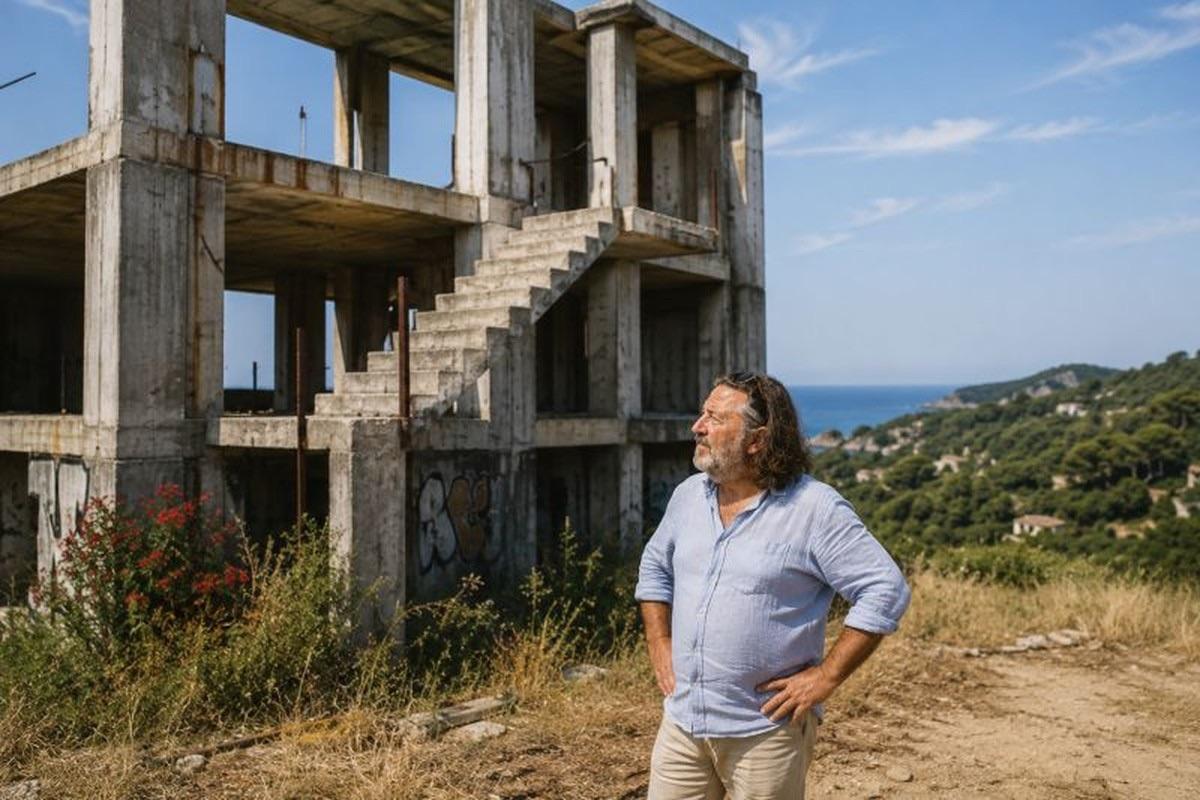
Unfinished buildings in Spain: what the 2008 crisis left on the Costa Brava
Why so many half-built blocks and empty developments still stand on the Costa Brava, what the 2008 crash left behind, and what buyers should check today.