22 October 20266 min read
Inherited property in Spain: why one missing signature can stop a sale
Buying a house in Spain that was inherited by several people? Learn what proindiviso means, why every owner must sign, and how to check before you pay a deposit.
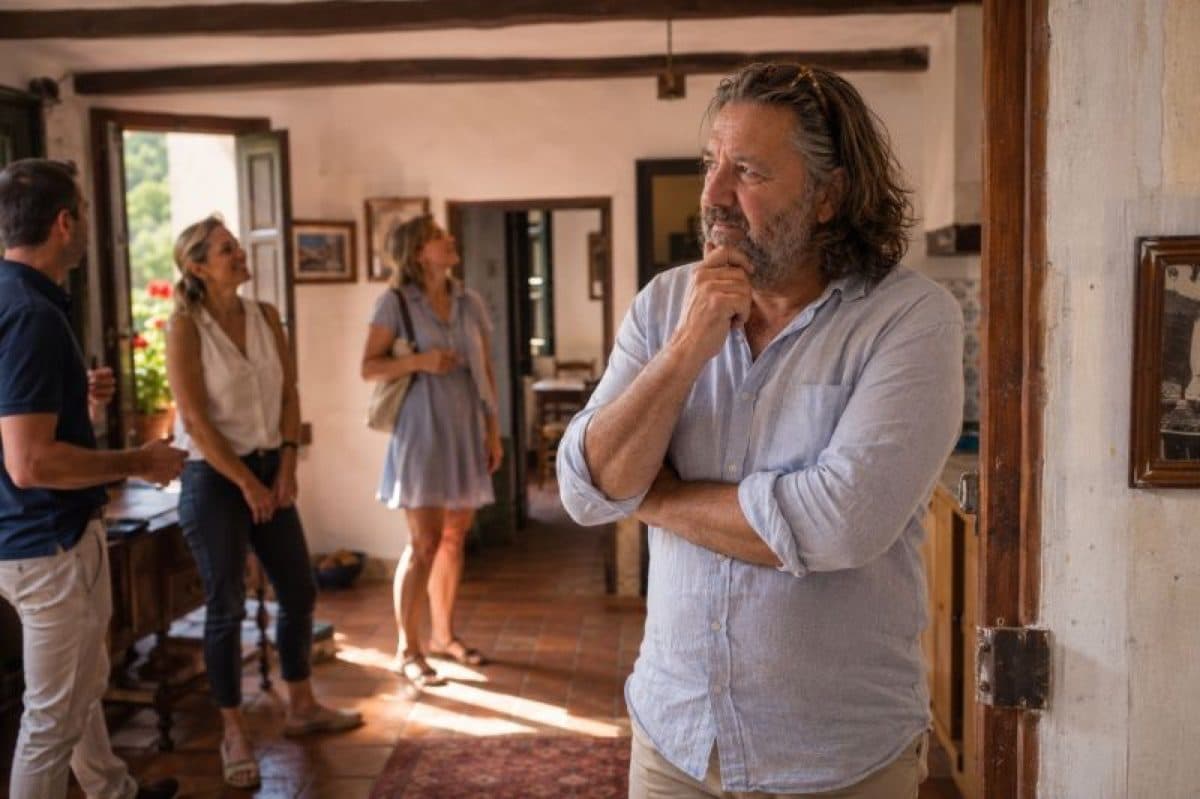
A few years ago I went along to a viewing with people who were about to buy. Everything looked right. Good house, fair price, charming village, the kind of place where you can already picture the coffee on the terrace. The sellers were friendly. The agent was relaxed. It had the easy feeling of a deal that was basically done.
Something small nagged at me. When I asked, casually, who exactly owned the house, the answer came a little too quickly and a little too vaguely. So I asked again, in a different way. Slowly it came out.
What proindiviso means when you buy a house in Spain
The house had been inherited some years earlier and never properly divided. On paper it still belonged to several members of the same family. Most of them wanted to sell. But one quarter belonged to an elderly aunt, the grandmother of the family, who lived elsewhere, was not entirely well and, as far as anyone could tell, knew nothing about any of this. She had never agreed to sell. She had never been asked.
This is the part Northern European buyers rarely see coming. In Spain, when a property passes to several heirs and is not formally split, they own it together in undivided shares. The word for it is proindiviso. Nobody owns the kitchen, or the east wall, or the garden. Everybody owns a percentage of the whole thing.
In practice that means you cannot sell the house cleanly unless every owner agrees and signs. Including the grandmother. Including the quarter that nobody wanted to talk about. The notary will not complete a sale of the whole property on the word of the three relatives who happen to be in the room.
Why the house looks like one house and is not
The buyers had no idea, and why would they? The house had one front door, one asking price and one friendly agent. Standing in that lovely kitchen tells you nothing about the fact that a quarter of the walls belongs to someone who has never heard your name.
These situations are rarely a trick. Families here often inherit a house, agree among themselves to "sort it out later", and then later turns into twenty years. Someone lives abroad. Someone cannot afford the paperwork. Someone does not speak to someone else. It drifts along quietly until a buyer appears and forces the question.
Had they bought without anyone catching it, they would have stepped into a legal situation that can take years to untangle. Spanish law generally lets a co-owner ask for a shared property to be divided or sold, and when the family cannot agree, that can end in a court-ordered sale or in a dispute in which the new foreign owner is suddenly, and expensively, a party. Catalonia has its own civil code, so the exact rules depend on the case. That is a job for a lawyer, not for a blog post.
Questions to ask the seller about ownership
None of this requires suspicion. It requires a habit. Before you get attached to any house, ask these in plain words and ask them early:
- Who is on the title today, and are they all the people selling?
- Was the property inherited, and if so, has the inheritance been formally accepted and registered?
- Is anyone selling on behalf of someone else, and do they have a signed power of attorney?
- Does anyone live in the house who is not selling?
Pay attention to how the answers come. A clear answer is a good sign. A quick, vague one is a reason to ask again in a different way, which is exactly what happened at that viewing.
Papers that show who really owns the property
The answer is on paper, and not hard to get. A nota simple is a short extract from the land registry. It lists the registered owners, their shares, and any mortgages or claims against the property. The national association of registrars explains the registry system at registradores.org, and a notary, or the notaries' own site at notariado.org, can explain what they will want to see before they let a sale go ahead.
Two cautions. The registry can lag behind reality: a house may still be registered in the name of a person who died years ago, with the heirs never having completed the paperwork. And a clean-looking extract does not answer every question about who has a claim on the house. It is a starting point. I treat it as the first check, not the last.
If you want to see how I fit this into a search, the steps are set out on the page about how I work.
What to do if you love the house anyway
Sometimes the house is wonderful and the family is simply slow. That is not always a reason to walk away. But it changes the deal. The sale cannot move until every owner is identified, willing and able to sign, and that can take months, or longer. A deposit paid too early, to a family that cannot yet deliver the whole property, is the expensive way to learn this.
My advice is to ask for the ownership position in writing, take it to an independent lawyer before any money moves, and decide with a clear head whether you are willing to wait. If you are not, you have lost nothing. I look past the walls in the same way when I explain why the photos on an agent's page are not enough.
The buyers in my story did not buy. Last I heard, the family was still sorting out the inheritance, as families here sometimes do, slowly and without hurry.
Common questions about co-owned property in Spain
Can I buy just one share of an inherited house?
You can in principle, but you would then co-own the house with strangers and share every decision with them. It is rarely what a buyer of a home actually wants, and it is a question to put to a lawyer first.
How do I know if a house is proindiviso?
Ask for a nota simple and ask the seller directly, twice if needed. If the names on the extract do not match the people in front of you, stop and find out why. You can also get in touch if you want a second pair of eyes at a viewing.
Nothing about that viewing looked wrong. The problem was not visible in the house. It was visible in a question, asked twice, by someone who happened to know that on this coast "who owns this" is not always the simple question it sounds like.
Fall in love with the house, by all means. Just make sure that everyone who owns it agrees to sell it to you. All of them. Even the ones nobody mentions.

More from the Journal
27 November 20266 min read
Unregistered extensions in Spain: the room behind the room, and what to check before you buy
Hidden rooms and unregistered extensions are common in Spanish houses. Learn what the registry, cadastre and licence say, and what to check before you sign.
24 November 20265 min read
Chimney maintenance in a holiday home in Spain: why it should never be a mystery
A smoking fireplace is rarely a mystery. How to keep a chimney clean, store firewood properly and check a flue before you buy a second home in Spain.
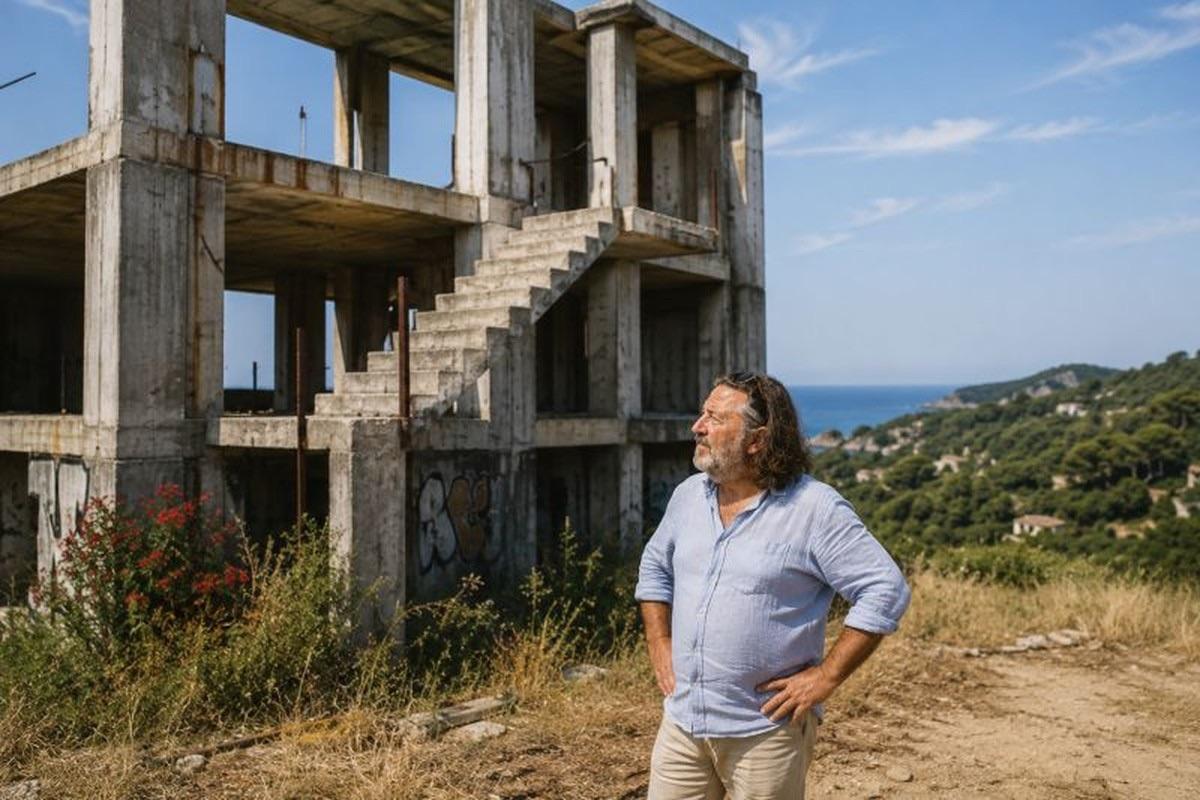
20 November 20264 min read
Unfinished buildings in Spain: what the 2008 crisis left on the Costa Brava
Why so many half-built blocks and empty developments still stand on the Costa Brava, what the 2008 crash left behind, and what buyers should check today.