10 November 20264 min read
Catalan meal times: why lunch is not a meal, it is a timeline
Esmorzar de forquilla, lunch, berenar and a late dinner: how a day of eating works in Catalonia, and how to plan around it as a visitor, buyer or owner.
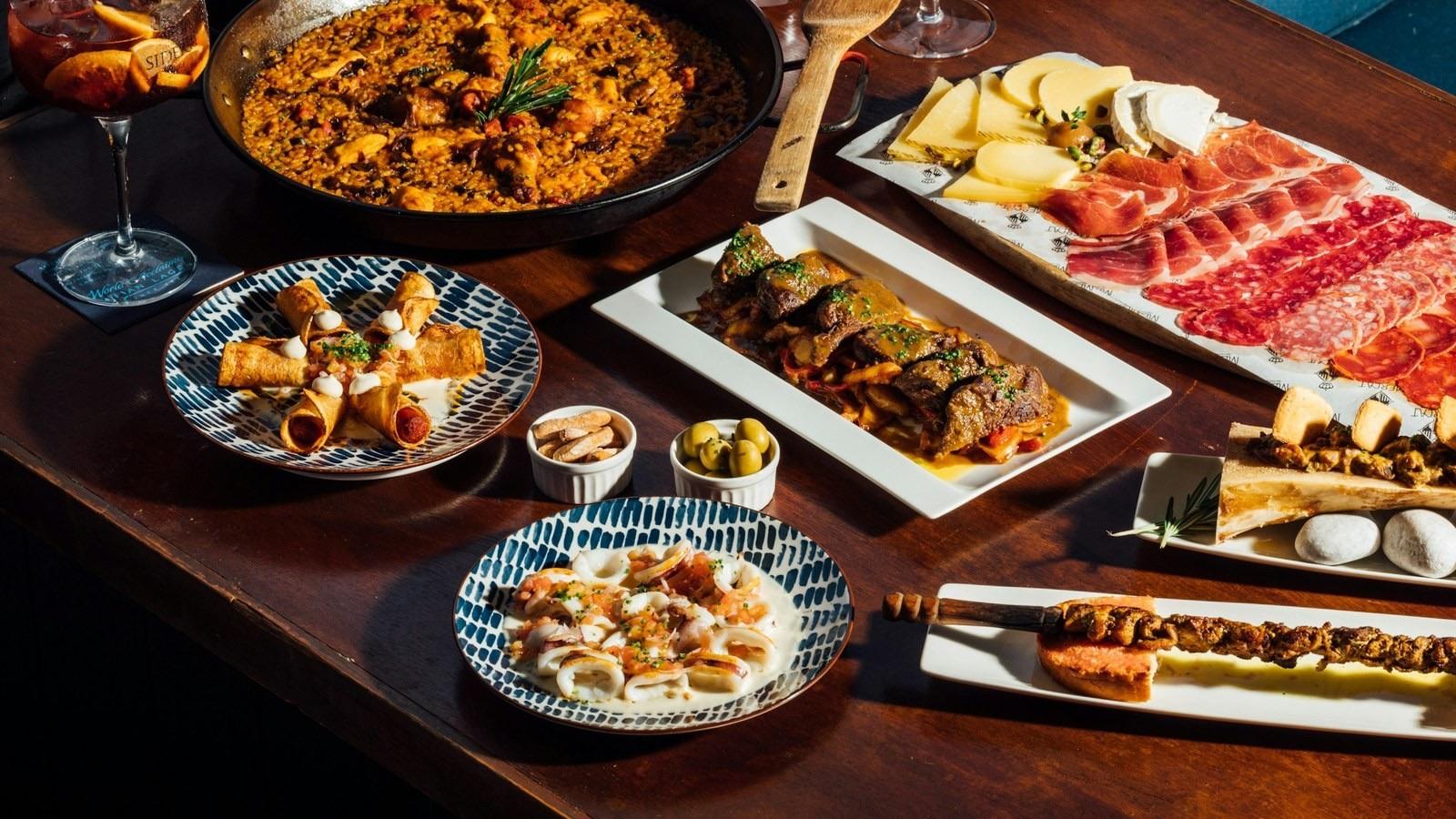
One of the first things Northern Europeans quietly discover in Spain is that the locals do not really eat differently. They just eat more often. Once you understand the rhythm, you start to suspect they might be onto something.
The day begins innocently. You wake up, have a coffee and eat something small. You think, fine, same system as home, only sunnier.
This illusion lasts until about half past ten in the morning, when people start, very calmly, disappearing again. For food.
What esmorzar de forquilla is
In Catalonia this second moment has a name: esmorzar de forquilla. Breakfast with a fork. The name alone should tell you that something has escalated.
You walk into the village bar expecting a small croissant and a cortado. Instead you find half the village eating sausages, white beans, grilled botifarra, pa amb tomàquet (bread rubbed with tomato) and a glass of red wine that nobody is in any hurry to finish. It is a quarter to eleven in the morning. The plumber is there. The mayor is there. Someone's grandfather is there. Nobody is rushing and nobody is apologising for being there.
The tradition comes from farm and manual work. If you rose early and worked hard, you needed something substantial before the middle of the day. Many bars still serve it as a set menu on weekday mornings, and it is a good, honest way to see how a place really lives. For background on the food itself, there is a short overview of Catalan cuisine.
Lunch, berenar and a late dinner
A few hours later comes the actual lunch. A real lunch, with a starter, a main, bread on the table, water and wine, and an espresso afterwards because you cannot be expected to function otherwise. Many restaurants offer a fixed-price menú del dia on weekdays, and it is often the best value of the day. Service tends to start after the northern European lunchtime and can run well into the afternoon.
Around five o'clock, things get dangerous. This is the moment many foreigners lose control of the day entirely. A small sandwich appears. A pastry. Another coffee. Something sweet. It is called the berenar here (the merienda in Spanish) and at this point you start quietly asking yourself whether these people have been eating continuously since sunrise. The honest answer is: more or less, yes, and they seem fine about it.
And then there is dinner, which from a Northern European point of view happens at a time best described as too late to start anything. For the locals it is perfectly reasonable. Dinner is not only about the food. It is about sitting, staying and talking longer than necessary. Nobody eats in a hurry. The food is almost an excuse for the table.
What this means for visitors, buyers and second home owners
The rhythm matters in practical ways, not only cultural ones.
- Shops and offices. In many villages, shops close in the middle of the day and reopen in the late afternoon. Plan errands for the morning.
- Restaurants. A kitchen that closes at three will not reopen for a late lunch, however politely you ask. Arrive on time, or accept a sandwich.
- Tradespeople. Do not book anyone for the period around a long lunch, and do not be surprised if a morning visit starts after the breakfast that nobody else calls a break. I wrote about the calendar side of this in the piece on public holidays and tradespeople in Catalonia.
- Viewings. If you are looking at houses, avoid fixing a viewing for the middle of the day. The person with the keys may be eating, and nobody will hurry them.
If you are thinking of living here, it is worth sitting through this rhythm for a few weeks before you decide how you feel about it. It is one of those small habits that decide whether a place suits you, long after the sea view has become normal. I come back to this idea in the story of how I ended up working here.
Why the work is what happens between meals
The first reaction, if you are from the north, is to look at all of this and think it is inefficient. Too many stops. Too many plates. How does anything get done?
And then, a few months later, you notice something slightly uncomfortable. The people around you seem less stressed than you are.
You start to suspect that the meals are not interruptions between work. The work is what happens between meals.
My practical advice is the one I would give anyone: if you accept an invitation to "a quick lunch on Sunday", do not make any other plans for that day.
More from the Journal
27 November 20266 min read
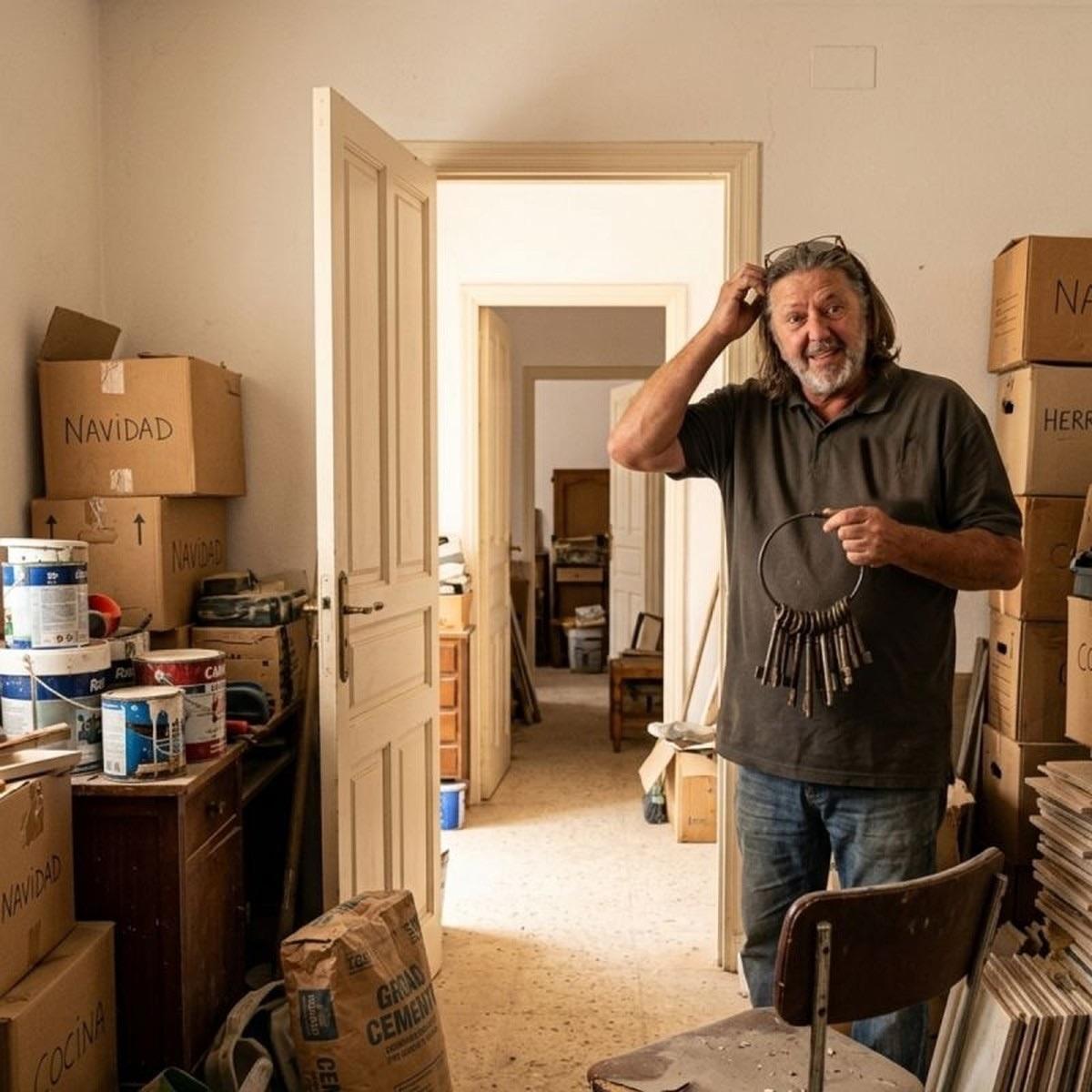
Unregistered extensions in Spain: the room behind the room, and what to check before you buy
Hidden rooms and unregistered extensions are common in Spanish houses. Learn what the registry, cadastre and licence say, and what to check before you sign.
24 November 20265 min read
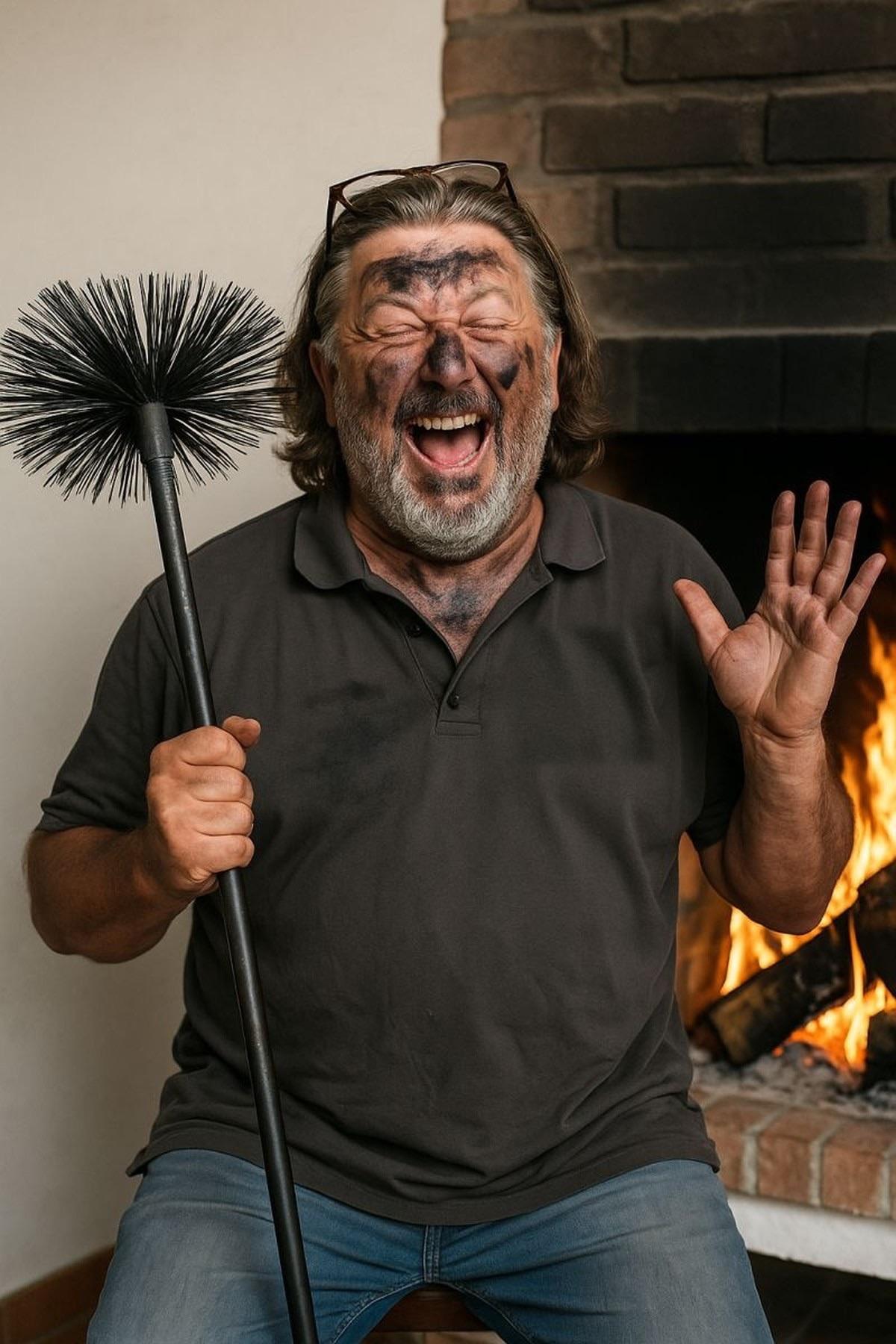
Chimney maintenance in a holiday home in Spain: why it should never be a mystery
A smoking fireplace is rarely a mystery. How to keep a chimney clean, store firewood properly and check a flue before you buy a second home in Spain.
20 November 20264 min read
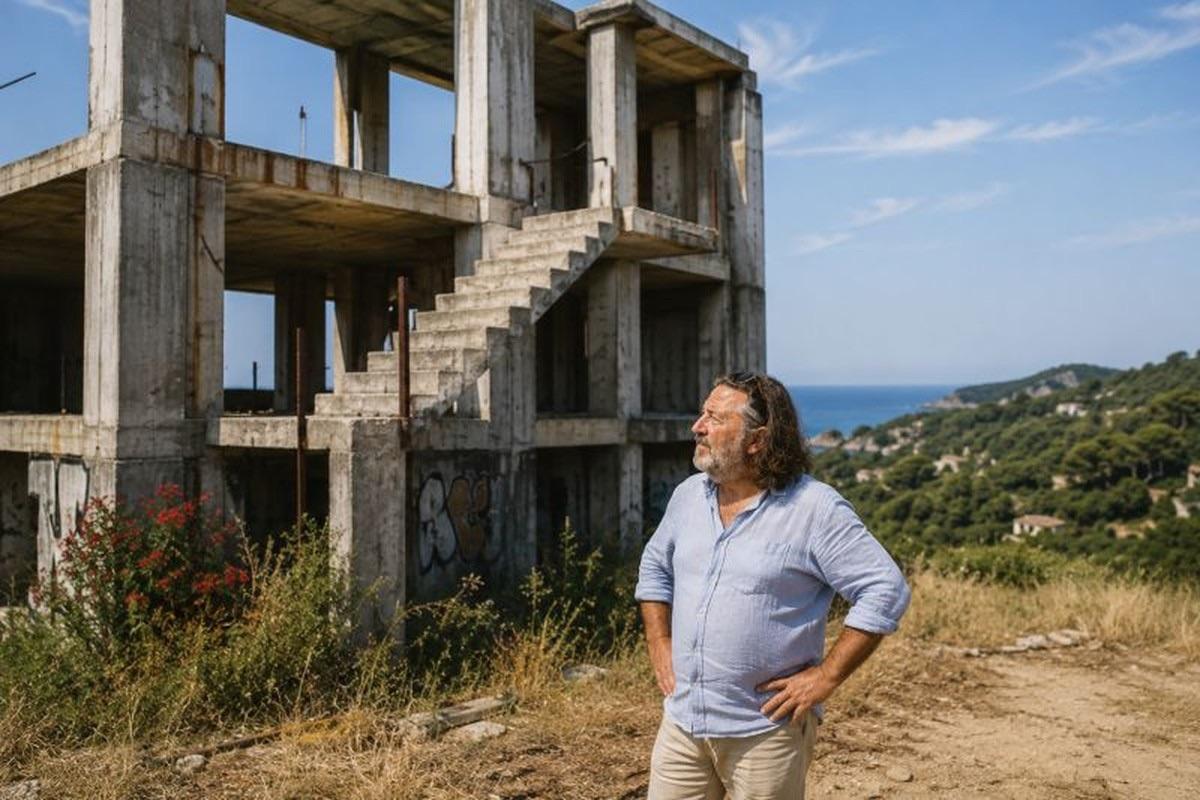
Unfinished buildings in Spain: what the 2008 crisis left on the Costa Brava
Why so many half-built blocks and empty developments still stand on the Costa Brava, what the 2008 crash left behind, and what buyers should check today.